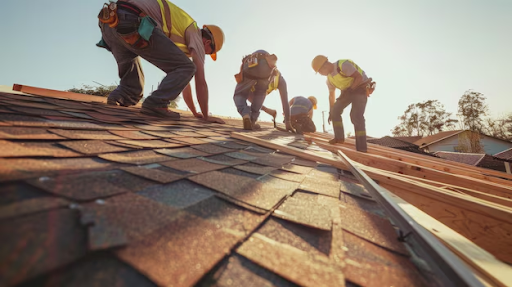
Understanding how often to replace the roof depends on multiple factors, including material type, climate conditions, maintenance history, and installation quality. Most homeowners incorrectly assume roofs remain effective indefinitely, discovering problems only after leaks cause interior damage.
Proactive planning based on accurate roof lifespan information prevents costly emergency repairs and enables budgeting for necessary replacement. This comprehensive guide explores typical roof lifespans, factors that affect longevity, and warning signs indicating when to replace.
Typical Roof Lifespan by Material
Asphalt Shingles
Asphalt shingles represent the most common residential roofing material in the United States. Typical lifespan depends on shingle quality:
- Standard asphalt shingles: 15-20 years
- Architectural asphalt shingles: 20-25 years
- Premium architectural shingles: 25-30 years
Florida’s intense heat and UV radiation accelerates asphalt shingle degradation, potentially reducing lifespan by 3-5 years compared to northern climates.
Metal Roofing
Metal roofing systems provide superior durability:
- Standing seam metal: 40-50 years
- Metal shingles: 30-40 years
- Metal panels: 35-50 years
Metal roofing’s longevity makes it increasingly popular despite higher installation costs.
Tile Roofing
Clay or concrete tile roofing offers exceptional longevity:
- Clay tiles: 50-100+ years
- Concrete tiles: 30-50 years
While expensive initially, tile roofing’s extraordinary lifespan often proves economical long-term.
Composite Roofing
Composite materials combining asphalt and polymers offer:
- Typical lifespan: 25-35 years
- Enhanced weather resistance compared to standard asphalt
Wood Shake Roofing
Wood shake roofing (cedar, redwood) provides distinctive appearance but requires significant maintenance:
- Typical lifespan: 20-40 years with regular maintenance
- High maintenance requirements including treatment, repair, and replacement
Factors Affecting Roof Lifespan
Florida Climate Challenges
Florida’s unique climate accelerates roof degradation:
- Intense UV radiation from near-equatorial latitude
- High humidity promotes algae and moss growth
- Frequent thunderstorms testing waterproofing integrity
- Salt spray (coastal areas) accelerates corrosion
- Temperature fluctuations create expansion and contraction stresses
These factors mean that Florida roofs typically require replacement 3-5 years earlier than those in the north.
Installation Quality
Professional installation following manufacturer specifications and building codes extends roof lifespan significantly. Poor installation shortcuts (inadequate fastening, improper ventilation, insufficient underlayment) dramatically reduce longevity.
Maintenance History
Regular maintenance including debris removal, sealant reapplication, and minor repair addressing preserves roof integrity and extends lifespan. Neglected roofs deteriorate prematurely and fail unexpectedly.
Ventilation Adequacy
Proper attic ventilation prevents heat and moisture buildup accelerating material degradation. Inadequate ventilation shortens roof lifespan substantially despite quality materials and installation.
Structural Issues
Underlying structural problems, water damage, or foundation issues create additional stresses reducing roof lifespan. Addressing structural issues before roof installation protects new roof investment.
Warning Signs Indicating Replacement Necessity
Visible Damage Patterns
Key indicators of necessary replacement include:
- Missing or damaged shingles in multiple locations
- Curled or cupped shingles indicating failure
- Extensive granule loss (visible in gutters)
- Cracked or split shingles
- Sagging deck indicating structural compromise
- Rust stains on asphalt shingles
Leak Evidence
Interior indicators suggesting replacement includes:
- Water stains on interior ceilings or walls
- Mold or mildew growth in attic spaces
- Wet insulation in attic
- Soft deck areas indicating wood rot
- Musty odors suggesting moisture accumulation
Age Considerations
If your roof approaches or exceeds typical lifespan for its material type, replacement planning becomes prudent even without visible damage. Emergency replacement costs significantly more than planned replacement.
Professional Assessment
If you’re unsure about replacement timing, professional roof inspections provide definitive guidance. Inspectors identify damage severity, remaining lifespan, and replacement timing recommendations.
Planning Your Roof Replacement
- Budget Preparation
Knowing typical replacement costs for your roof size and material type allows budget preparation. Most homeowners spend $15,000-$25,000, though costs vary substantially by location and material selection.
- Timing Considerations
Plan replacement during favorable weather seasons when contractors have availability. Spring and early fall typically offer optimal conditions in Florida.
- Material Selection
Replacement provides opportunity for material upgrades improving durability, weather resistance, or aesthetic appeal. Research options thoroughly before committing.
- Contractor Selection
Quality contractor selection ensures installation optimizing new roof lifespan and warranty protection. Invest time finding qualified, experienced professionals.
Conclusion
Understanding how often to replace roof based on material type, climate conditions, and maintenance history enables proactive planning and budget preparation. By monitoring warning signs and addressing roof issues promptly, you prevent costly emergency repairs and extend roof lifespan. Schedule professional inspections regularly to assess condition and plan replacement timing strategically.
For More Info Visit:- thecreativemines.com