When your pet shows signs of a neurological disorder, it can be a distressing experience. Understanding the role of veterinary neurology consults can help ease your concerns and guide you in seeking the right care for your beloved animal. In this article, we explore the importance of these consults and what to expect during the process.
What is Veterinary Neurology?
Veterinary neurology is a specialized field focusing on the diagnosis and treatment of neurological disorders in animals. These disorders can affect the brain, spinal cord, nerves, and muscles, leading to symptoms such as seizures, balance issues, or paralysis. With the help of a dog neurology specialist, pet owners can better understand their pet’s condition and explore treatment options that improve quality of life.
Why Consult a Veterinary Neurologist?
A veterinary neurologist is trained to handle complex neurological issues that general veterinarians might not be equipped to address. Here are some reasons to consider consulting a specialist:
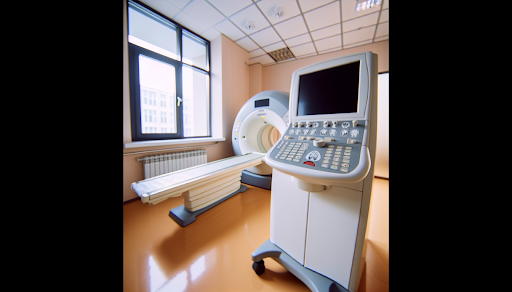
- Accurate Diagnosis: Neurological symptoms can be challenging to diagnose. Specialists use advanced diagnostic tools such as MRI and CT scans.
- Tailored Treatment Plans: Based on the diagnosis, neurologists develop personalized treatment plans that may include medication, surgery, or therapy.
- Comprehensive Care: From initial consultation to follow-up care, neurologists provide a continuum of care that addresses all aspects of your pet’s condition.
What to Expect During a Neurology Consult
During a veterinary neurology consult, the specialist will conduct a thorough examination of your pet. This typically includes:
- Medical History Review: Understanding the pet’s past health issues and current symptoms.
- Neurological Examination: Assessing reflexes, coordination, and other neurological functions.
- Diagnostic Testing: Recommending tests like blood work, imaging, or electrodiagnostic tests to pinpoint the issue.
The goal is to gather comprehensive information to make an informed diagnosis and recommend the best course of action.
Veterinary Neurology in Maryland
In Maryland, there are several facilities dedicated to veterinary neurology, offering state-of-the-art diagnostic and treatment options. These centers are staffed with experienced specialists who are committed to providing the highest level of care. Whether you are dealing with a common issue or a rare condition, seeking out veterinary neurology in Maryland ensures access to the latest advancements in pet healthcare.
Common Neurological Conditions in Dogs
Dogs are susceptible to various neurological conditions, which can significantly impact their well-being. Some common issues include:
- Epilepsy: Characterized by recurrent seizures, often manageable with medication.
- Intervertebral Disc Disease (IVDD): A spinal condition that can cause pain and mobility issues.
- Vestibular Disease: Affects balance and coordination, often seen in older dogs.
Early intervention by a dog neurology specialist can lead to better outcomes and an improved quality of life for your pet.
Preparing for Your Pet’s Neurology Appointment
To make the most of your veterinary neurology consult, consider the following tips:
- Bring Medical Records: Having your pet’s medical history on hand can expedite the diagnostic process.
- List Symptoms: Note any unusual behaviors or symptoms your pet has exhibited.
- Prepare Questions: Write down any concerns or questions you have about your pet’s condition or treatment options.
Being prepared helps ensure a productive consultation and allows you to make informed decisions about your pet’s care.
Conclusion
Navigating neurological issues in pets can be challenging, but with the right support, you can find the best path forward. Veterinary neurology consults provide crucial insights and tailored treatment options that can make a significant difference in your pet’s health. If you’re in Maryland and suspect your pet may have a neurological issue, consider reaching out to a specialist to explore your options. By addressing these concerns promptly, you can help ensure your pet enjoys a healthier, happier life.