A dog’s neurological problems can develop suddenly or progress slowly over time, and many of them look like a general illness at first. For pet owners in Maryland and the Chesapeake region, knowing when to seek a dog neurology specialist can make a critical difference in diagnosis, treatment success, and long-term recovery. A veterinary neurologist focuses specifically on the brain, spinal cord, and nervous system, which means they are trained to handle complex conditions that general veterinary care may not fully evaluate.
Understanding What a Dog Neurology Specialist Does
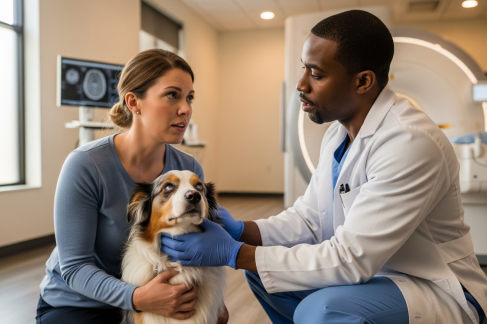
A dog neurology specialist is a veterinarian who has advanced training in diagnosing and treating disorders of the nervous system. This includes the brain, spinal cord, muscles, and nerves. In the Chesapeake and Maryland region, these specialists often work in referral hospitals equipped with advanced imaging tools such as MRI and CT scans, which are essential for diagnosing neurological conditions accurately.
Unlike general veterinary visits, a neurology consultation focuses specifically on identifying whether symptoms are coming from the nervous system. This includes evaluating reflexes, coordination, balance, gait, and behavior changes. Many neurological diseases cannot be diagnosed through basic blood tests or physical exams alone, which is why timely referral is important.
Sudden Seizures or Uncontrolled Episodes
One of the most urgent reasons to see a vet neurology specialist in Maryland is the onset of seizures. Seizures can appear as full-body convulsions, twitching, drooling, sudden collapse, or even brief episodes where the dog seems disoriented or unresponsive.
If a dog experiences more than one seizure, or if a seizure lasts longer than a few minutes, it is a strong warning sign that neurological evaluation is needed. Even a single unexplained seizure should not be ignored, especially if the dog is otherwise healthy.
In the Chesapeake region, pet owners often mistake early seizure activity for fainting or behavioral issues. However, seizures typically indicate underlying brain dysfunction such as epilepsy, toxins, inflammation, or tumors. A neurology specialist can determine the cause and begin targeted treatment to reduce recurrence and protect brain health.
Sudden Difficulty Walking or Loss of Coordination
If a dog begins to stumble, drag its legs, walk in circles, or appear unsteady, it may be a sign of a neurological disorder affecting the brain or spinal cord. This is especially concerning when symptoms appear suddenly.
Neurology for dogs helps evaluate whether the issue is coming from the cervical spine, thoracic spine, or brain. In Maryland veterinary neurology clinics, sudden mobility changes are often associated with conditions such as intervertebral disc disease (IVDD), spinal cord compression, or degenerative neurological conditions.
Even mild coordination issues should not be ignored if they persist or worsen over a short period. Early intervention often improves outcomes significantly, especially in spinal cord injuries where timing is critical.
Sudden Paralysis or Weakness in Limbs
Partial or complete paralysis is one of the most serious neurological symptoms. If a dog suddenly cannot move its back legs, drags its body, or loses strength in one or more limbs, immediate evaluation by a dog neurology specialist is necessary.
In the Chesapeake and surrounding Maryland area, emergency neurological cases often involve spinal disc herniation or trauma. These conditions can progress rapidly, sometimes within hours, leading to permanent nerve damage if untreated.
Even if the dog still appears alert and otherwise normal, paralysis indicates a breakdown in communication between the brain and muscles. A specialist may recommend advanced imaging such as MRI or CT scans to locate the exact cause and determine whether surgical intervention is needed.
Persistent Head Tilt or Balance Problems
A dog that suddenly develops a head tilt, constant falling to one side, or abnormal eye movements may be experiencing a vestibular neurological disorder. While some mild vestibular cases can resolve on their own, others are linked to serious brain or inner ear conditions.
Dog owners in Maryland often mistake this symptom for simple dizziness or ear infections. However, when balance issues are severe or accompanied by vomiting, confusion, or inability to stand, a neurology specialist should be consulted.
A dog neurology specialist can distinguish between peripheral vestibular disease and central nervous system disorders, which require very different treatments.
Behavior Changes or Unexplained Mental Confusion
Changes in behavior can also indicate neurological disease. If a dog becomes unusually disoriented, aggressive, withdrawn, or seems to “forget” familiar people or surroundings, it may be more than behavioral decline.
In older dogs in the Chesapeake region, these symptoms are sometimes mistaken for aging alone. However, cognitive dysfunction, brain inflammation, or tumors can produce similar signs.
A neurology specialist evaluates whether these changes are related to brain function or other systemic illness. Early diagnosis is essential, especially when conditions are progressive.
Chronic Pain in Neck or Back
Dogs that cry out when picked up, resist movement, or show stiffness in the neck or spine may be experiencing neurological pain. Unlike muscle injuries, neurological pain often originates from nerve compression or spinal cord issues.
In Maryland veterinary neurology practices, chronic spinal pain is frequently associated with disc disease or degenerative conditions. A dog neurology specialist can perform detailed neurological exams to identify the exact location of pain and recommend advanced imaging if needed.
Ignoring persistent pain can lead to worsening nerve damage and reduced mobility over time.
Loss of Bladder or Bowel Control
Another serious warning sign is the sudden inability to control urination or bowel movements. This often indicates nerve disruption in the spinal cord. While some pet owners initially assume it is a behavioral issue or aging, it is often neurological in origin.
In Chesapeake veterinary neurology clinics, this symptom is treated as a high-priority concern because it may indicate spinal compression or severe nerve damage. Early diagnosis can sometimes prevent permanent loss of function.
When Immediate Emergency Care Is Needed
Certain neurological symptoms require urgent evaluation without delay. These include continuous seizures, sudden collapse, inability to stand, or rapid progression of paralysis. In these situations, visiting a dog neurology specialist in Maryland immediately can significantly improve outcomes.
Delaying care can result in irreversible damage to the brain or spinal cord. Emergency neurological intervention often involves imaging, stabilization, and sometimes surgical treatment depending on the diagnosis.
Final Thoughts
Knowing when to see a dog neurology specialist is essential for protecting your pet’s health, especially when symptoms involve the brain, spine, or nervous system. In Maryland and the Chesapeake region, early recognition of warning signs such as seizures, mobility loss, balance issues, or behavioral changes can lead to faster diagnosis and more effective treatment.
Neurological conditions in dogs are often progressive, which means they worsen over time if not addressed. Pet owners who act quickly when symptoms appear give their dogs the best chance at recovery and long-term quality of life.