
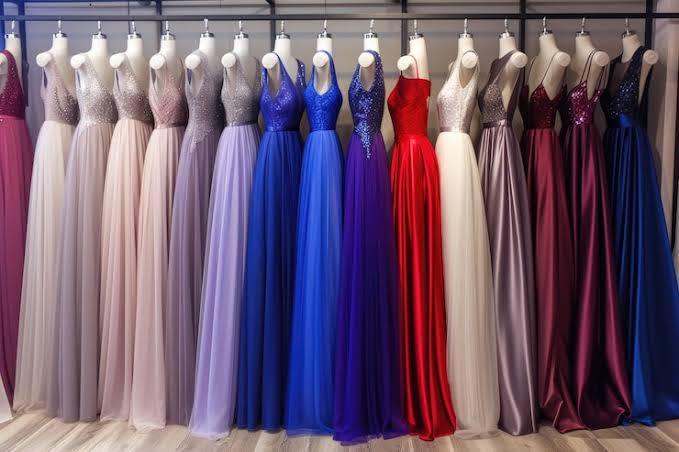
The phrase formal attire covers several levels of occasion dressing. Choosing well means interpreting the invitation accurately and then selecting a garment that looks elegant while allowing comfortable movement. A useful approach is to start with the occasion and work inward toward cut, fabric, styling, and alterations. The sections below explain what to check and how to avoid common mismatches between a beautiful photo and a wearable outfit.
Decode the invitation first
Black-tie events typically lean toward floor-length gowns, while other formal occasions may allow polished mid-length designs. Venue traditions and cultural expectations can affect the choice. When the wording is unclear, asking the host is more reliable than guessing. Always compare the stated measurements with your body rather than relying on a familiar numerical size. Formalwear construction varies widely, and alterations may be necessary. Leaving an appropriate fitting window is usually more useful than ordering at the last possible moment. When evaluating formal evening dresses, use this checkpoint to distinguish attractive presentation from practical suitability. People considering formal evening dresses should check practical requirements before making a final choice.
Understand what fabric communicates
Satin brings polished sheen, chiffon offers fluid movement, crepe can look sculpted and modern, and embellishment adds evening drama. Consider how the fabric drapes when sitting or walking. Different materials can make the same silhouette feel surprisingly different. Lighting changes the way color and texture appear. A soft neutral can look pale in flash photography, while reflective embellishment may become more prominent after dark. When possible, examine the garment in conditions similar to the actual venue. When evaluating formal evening dresses, use this checkpoint to distinguish attractive presentation from practical suitability.
Use the silhouette to achieve balance
Column shapes emphasize long clean lines, A-line skirts create softness, and mermaid cuts make a stronger statement. The most useful comparison is how a style fits your own proportions and movement needs. There is no universal silhouette that suits every event. The most successful accessories solve practical problems as well as adding style. Shoes should suit the walking surface, a wrap should work with the neckline, and a small bag should hold essentials. These choices help the complete look feel effortless. For examples relevant to this decision, review formal evening dresses and compare the details with your own priorities. If several options seem equally attractive, compare the details that are easiest to overlook: maintenance requirements, sizing or placement, long-term usability, and any additional work needed. Those differences can have more impact than a small variation in appearance. As a final check, list the two or three qualities that matter most for this particular situation. Compare those priorities with the available information before deciding. A careful review helps distinguish a genuinely suitable choice from one that simply looks appealing in a photograph. Consider how expectations may change over time. Weather, practical routines, and the way people actually use an item or space can all influence satisfaction. A choice that remains comfortable and easy to maintain usually provides more lasting value.
Evaluate necklines and support
One-shoulder, halter, bateau, and sweetheart necklines change the mood of an outfit. Think about bra compatibility, shoulder mobility, and jewelry placement before committing. A neckline that looks beautiful in a photograph still needs to feel secure throughout the evening. Finally, consider the dress beyond the first occasion. A silhouette you enjoy, manageable care requirements, and adaptable accessories can make an evening garment useful for years. A seasonal trend is optional; good proportion and comfort remain valuable. When evaluating formal evening dresses, use this checkpoint to distinguish attractive presentation from practical suitability.
Choose color with lighting in mind
Deep jewel tones, neutrals, and soft metallics can each suit formal settings. Examine the material under daylight and warm indoor lighting if possible. Sequins and reflective fabrics can appear brighter in flash photography, so judge the overall effect rather than a small fabric swatch. An online image shows a styled moment, not necessarily how the garment will behave through several hours of wear. Details such as lining, closure placement, and sleeve construction can matter as much as the overall silhouette. When evaluating formal evening dresses, use this checkpoint to distinguish attractive presentation from practical suitability.
Finish the look without overloading it
Start with a comfortable shoe height, then select a bag and jewelry that support the dress. Leave enough time for hemming and a final fit check. A considered outfit rarely needs every accessory to be a statement piece at the same time. Fit is best evaluated in motion. These checks reveal whether the design supports the activities planned for the event. When evaluating formal evening dresses, use this checkpoint to distinguish attractive presentation from practical suitability.
Conclusion
There is no single formula for a successful formal look. Select a garment that suits the invitation, allows movement, and reflects personal style; finish it with fit adjustments and accessories chosen for the real event. A thoughtful decision starts with the needs of the people who will use or wear the result, rather than a fixed trend or an isolated product photograph.

