
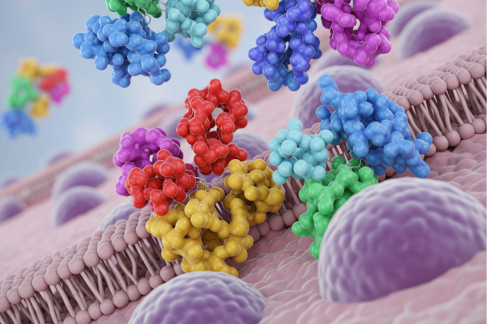
Calreticulin is a multifunctional protein mainly found inside a cell’s endoplasmic reticulum (ER). It helps fold other proteins and controls calcium levels. However, during cell stress, inflammation, or cell death, it can appear on the surface of cells and signal the immune system to remove them. So, calreticulin is important not only for normal cell function but also for the body’s defense against diseases like cancer.
However, sometimes, immune system sees calreticulin in the “wrong place,”. At times, it may treat it like a threat and start making calreticulin antibodies against it. Moreover, genetic mutations in some cancers, like myeloproliferative neoplasms (MPNs), also contribute to calreticulin antibody production.
What Are Calreticulin Antibodies?
Calreticulin antibodies are autoantibodies—special immune proteins made by the body. These antibodies mistakenly target calreticulin, a normal protein found inside cells.
These antibodies are not usually found in healthy people. They often appear in people with autoimmune diseases or certain types of cancer. Their presence means the immune system is reacting to calreticulin as if it were a harmful invader.
In some cases, these antibodies can:
- Interfere with normal immune responses
- Help cancer cells avoid being detected
- Act as biomarkers to help doctors identify or track disease
So, we can conclude that calreticulin antibodies are a sign that something has gone wrong in how the immune system.
Role of Calreticulin in Cancer – an “Eat Me” Signal
Under normal conditions, calreticulin stays inside the ER. But during early cancer development or when a cell undergoes chemotherapy, calreticulin can move to the surface of tumor cells. On the surface, calreticulin serves as an “eat me” signal. It tells immune cells, especially dendritic cells and macrophages, to recognize and engulf the cancer cell.
This process plays a key role in immunogenic cell death (ICD) – a kind of cell death that activates the immune system to attack tumors. So, calreticulin exposure is actually a good sign in many cancer therapies because it helps the immune system recognize and destroy cancer cells.
However, the presence of calreticulin antibodies may interfere with this important immune function.
How Calreticulin Antibodies Help Cancer Cells Escape?
In many cancers, the immune system is already under stress or misdirected. When calreticulin antibodies are present, they may block the “eat me” signal by binding to calreticulin on the cell surface. This prevents immune cells from recognizing and destroying the tumor.
Here’s how calreticulin antibodies may support tumor evasion:
Block Immune Recognition
In a healthy immune response, calreticulin appears on the surface of a stressed or dying cell. It acts as an “eat me” signal to immune cells, especially phagocytes like macrophages and dendritic cells. This surface calreticulin helps the immune system detect and remove abnormal cells, including early-stage tumor cells.
However, when calreticulin antibodies are present, they can bind to this surface-exposed calreticulin. This binding covers up or masks the “eat me” signal. As a result, immune cells can no longer recognize the cancer cells as targets for destruction. This allows tumor cells to escape immune surveillance and continue growing unchecked.
Interfere with Dendritic Cell Activation
Dendritic cells are a type of antigen-presenting cell (APC). They play a critical role in starting immune responses by:
- Taking up dying tumor cells
- Processing their proteins (antigens)
- Presenting these antigens to T cells, especially cytotoxic T lymphocytes (CTLs).
Note: T-cells then attack the tumor.
Surface calreticulin on dying cancer cells help activate dendritic cells and help them “decide” that these cells are dangerous and worth presenting to T cells.
When calreticulin antibodies bind to surface calreticulin, this interaction is blocked. The dendritic cells may either:
- Fail to take up the dying tumor cells
- Process them inefficiently
- Fail to activate T cells properly
Without proper T cell activation, the adaptive immune response is weakened. As a result, there are high chances that tumors escap detection and destruction process.
Reduce Treatment Efficacy
Many conventional cancer therapies, such as chemotherapy, radiotherapy, and certain immunotherapies, work by directly killing cancer cells and triggering immunogenic cell death (ICD).
One hallmark of ICD is the exposure of calreticulin on the tumor cell surface. This improves immune recognition and activates anti-tumor immunity.
If calreticulin antibodies are circulating in the patient’s system, they can bind to and neutralize this surface-exposed calreticulin. As a result, it blunts the immunogenic effect of therapy. So, it leads to:
- Less activation of immune cells
- Reduced clearance of dying tumor cells
- Poorer overall treatment outcomes
So, the presence of these antibodies may undermine therapies that rely on the immune system to finish the job after the initial tumor damage is done.
The Bottom Line
Calreticulin plays a dual role in the body—supporting normal cell function and alerting the immune system to abnormal or cancerous cells.
When calreticulin is present on the surface of tumor cells, it acts as a critical “eat me” signal that helps immune cells recognize and eliminate cancer.
However, calreticulin antibodies can block this signal, allowing cancer cells to evade detection. These antibodies not only weaken immune surveillance but also reduce the effectiveness of treatments like chemotherapy and radiotherapy.
So, knowing the mechanism of calreticulin antibodies is crucial before developing targeted therapies. Nowadays, researchers are exploring the use of monoclonal antibody therapies to block or bypass the negative effects of calreticulin antibodies.

