As a pet owner in Chesapeake, you want your furry friend to be happy, healthy, and well-behaved. But when your pet starts exhibiting unusual behaviors such as sudden aggression, anxiety, or confusion, it can be concerning. Sometimes, these behavior changes may be more than just a temporary phase—they could be linked to neurological issues that need attention.
So, how can a neurologist in Chesapeake help your pet with these behavior changes? Let’s dive into how a vet can make a difference.
What Is Neurology?
Before we get into the specifics of how a neurologist can help, it’s essential to understand what neurology is.
Neurology is a specialized branch of veterinary medicine that focuses on diagnosing and treating disorders of the brain, spinal cord, and nerves in animals. This field plays a vital role in identifying the root causes of behavior changes, whether they are due to neurological conditions or other underlying health issues.
Common Behavioral Changes In Pets That May Signal A Neurological Problem
Pets, especially dogs and cats, can exhibit a range of behavior changes that might suggest something is wrong. If you notice any of these, it could be time to consult with a veterinary neurologist in Chesapeake:
- Increased Aggression: If your pet is becoming more aggressive or irritable, it could be a sign of a neurological issue affecting their brain.
- Disorientation: Pets that appear confused, have trouble finding their way around the house, or seem lost in familiar places might be showing signs of neurological distress.
- Excessive Anxiety or Fear: If your pet suddenly becomes fearful, anxious, or starts avoiding certain people or places, this could indicate a problem with their nervous system.
- Seizures: Seizures are one of the more obvious signs of a neurological issue. If your pet is having frequent seizures or convulsions, it’s crucial to seek immediate care.
- Changes in Eating or Sleeping Habits: Sudden shifts in appetite or sleep patterns can sometimes point to underlying neurological issues affecting your pet’s overall well-being.
How A Neurologist Can Help
A veterinary neurologist is trained to identify and treat these complex neurological issues in pets. Here’s how they can help:
1. Comprehensive Diagnosis
The first step in treating your pet’s behavior changes is understanding the cause. When you take your pet to a Veterinary Neurology specialist, they will conduct a thorough examination, which may include:
- A detailed history of your pet’s behavior and health.
- Neurological tests to assess motor skills, reflexes, and coordination.
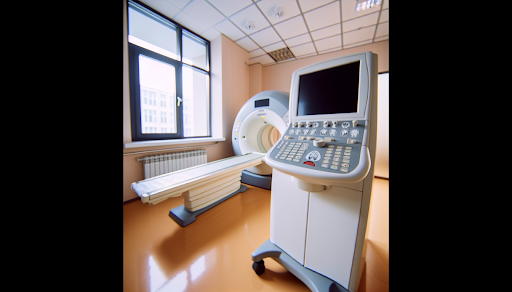
- Advanced imaging, such as MRI or CT scans, is used to examine the brain, spinal cord, and nerves.
Once the neurologist has a clear picture of what’s going on, they can develop a personalized treatment plan.
2. Tailored Treatment Plans
Depending on the diagnosis, the neurologist will recommend a treatment plan that could include:
- Medications: Certain neurological conditions, such as epilepsy or anxiety disorders, may be treated with medication to control symptoms and improve your pet’s behavior.
- Surgery: In some cases, surgery may be required to address physical issues affecting the brain or spinal cord, such as tumors or herniated discs.
- Physical Therapy: Rehabilitation or physical therapy may be part of the treatment plan, especially if there’s been damage to the nervous system that affects movement.
3. Ongoing Monitoring and Support
Behavior changes in pets may require ongoing monitoring and adjustments to treatment. A vet will provide follow-up care to ensure that your pet is responding well to the treatment plan. They will make any necessary adjustments and continue to guide you on managing your pet’s condition at home.
Final Thought
If you are in Chesapeake and your pet is showing behavioral changes, don’t ignore them. A veterinary neurologist can diagnose any underlying neurological issues and recommend treatments like medication, surgery, or therapy.
Early intervention gives your pet the best chance for a healthy, happy life.
For more informtion visit us : thecreativemines.com