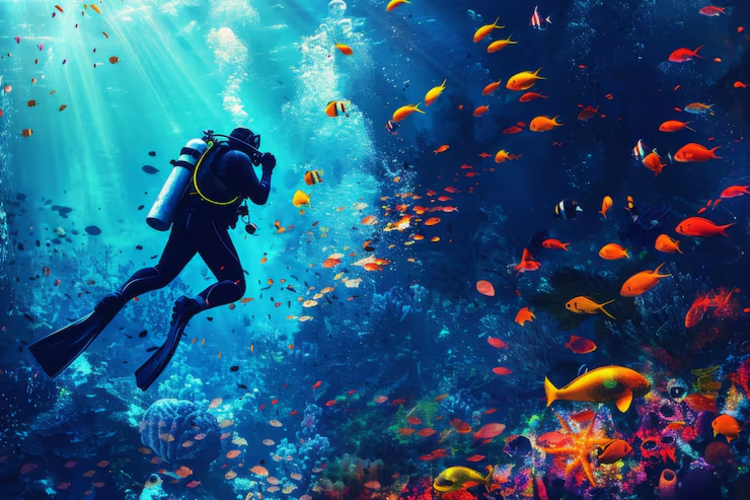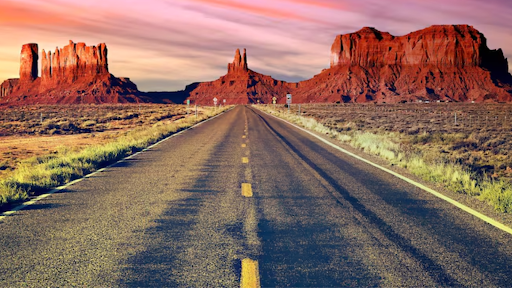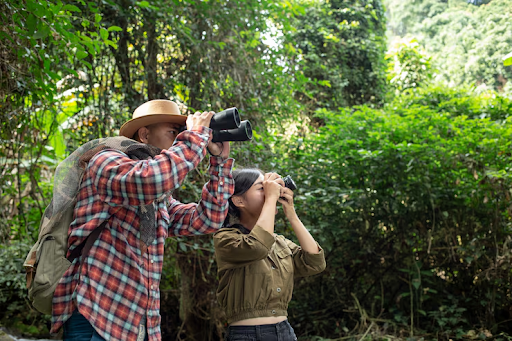
Nature photography tour experiences introduce photographers to specialized expeditions combining systematic image capture with guided nature exploration. Unlike standard nature tourism emphasizes passive observation, photography tours actively engage photographers in capturing compelling images while developing environmental understanding and technical proficiency. Professional tours provide structure, expertise, and access that solitary photographers struggle achieving independently, creating opportunities producing remarkable results.
Understanding Nature Photography Tour Concepts
Nature photography tours organize photographers visiting locations hosting diverse photographic subjects—wildlife, landscapes, botanical subjects, atmospheric phenomena. Tours emphasize positioned access to subjects, optimal timing for conditions, and expert guidance enabling photographers capturing compelling images rather than casual snapshots. Tour structure transforms sightseeing into purposeful photographic expeditions.
Core Elements of Effective Nature Photography Tours
- Purposeful Location Selection
Exceptional tours select locations optimizing photographic opportunities—diverse subjects, varied lighting conditions, minimal tourism pressure, ecological significance. Location research determines tour success fundamentally.
- Expert Guide Expertise
Professional guides combine subject knowledge with photographic understanding. Guides position photographers, suggest compositional approaches, explain ecological context, and manage group dynamics. Guide quality directly affects photographer development and satisfaction.
- Small Group Dynamics
Limited group sizes—typically 8-12 photographers—enable personalized guidance, facilitate peer learning, prevent equipment interference, and maintain manageable environmental impact. Small groups create supportive communities.
- Structured Learning Integration
Quality tours include educational components—technical instruction, compositional principles, ecological information, ethical practices. Learning integration creates development beyond passive image capture.
Different Nature Photography Tour Formats
- Multi-Day Expedition Tours
Extended tours visit multiple locations across days or weeks, providing varied subjects and comprehensive experiences. Extended duration enables deep learning and community development.
- Regional Specialization Tours
Some tours emphasize specific regions—tropical rainforests, alpine meadows, coastal areas. Regional focus enables deep expertise and optimal subject access.
- Seasonal Photography Tours
Seasonal specialization captures specific phenomena—migration events, flowering seasons, weather patterns. Seasonal focus ensures photographers experiencing peak opportunities.
- Small Group Focus Approach
Intentionally small groups create intimate experiences where every participant receives attention. Small groups prevent learning compromises from large participant numbers.
Photographic Skills Development Through Tours
- Composition Mastery
Professional photographers develop composition sense through extensive practice and expert feedback. Tours provide intensive composition practice in varied conditions with guidance.
- Technical Skill Refinement
Wildlife situations demand technical flexibility—exposure compensation, autofocus techniques, manual operation. Tours teach photographers developing technical mastery.
- Behavior Understanding
Extended observation teaches photographers predicting subject behavior—animal actions, weather patterns, lighting changes. Professional knowledge accelerates this development.
- Environmental Awareness
Nature photography deepens ecological understanding—ecosystem relationships, species interdependence, conservation concerns. Comprehensive learning creates informed photographers.
Beyond Photography: Personal Growth Dimensions
- Stress Reduction and Wellness
Nature immersion provides documented wellness benefits—stress reduction, improved mental health, enhanced perspective. Photography provides focus framework for wellness experiences.
- Creative Development
Photography enables authentic creative expression. Developing personal vision while mastering technical foundations creates genuine creative voice.
- Personal Confidence Growth
Achieving previously impossible photography accomplishments builds genuine confidence. Competence development positively affects overall self-efficacy.
- Meaningful Community Connection
Photographers develop authentic friendships through shared passion and intensive shared experiences. Community membership provides ongoing support and motivation.
Practical Planning Considerations
- Physical Demands Assessment
Honestly evaluate fitness relative to tour demands—hiking distances, elevation changes, terrain difficulty. Appropriate preparation prevents disappointment or injury.
- Equipment Decisions
Bring equipment appropriate to tour requirements without overloading. Pragmatic equipment selection balances capability and portability.
- Skill Level Matching
Select tours matching your skill level—beginner, intermediate, or advanced. Appropriate pacing prevents overwhelming or boring participants.
- Pre-Tour Preparation
Research likely subjects, review technical approaches, practice relevant skills. Prepared photographers maximize learning and results.
Selecting Quality Nature Photography Tours
- Operator Reputation and Track Record
Research operator reputation—past participant reviews, photographer endorsements, conservation commitments. Reputation directly correlates with experience quality.
- Guide Qualifications
Understand guide credentials—photography background, subject expertise, teaching experience. Guide quality fundamentally determines tour value.
- Curriculum Transparency
Request detailed curriculum description—learning objectives, instruction methods, daily structure. Clear curriculum indicates professional organization.
- Participant Testimonials
Read detailed testimonials focusing on instruction quality, subject access, guide expertise, and overall satisfaction. Honest feedback reveals actual experiences.
Conservation and Responsible Tourism
Quality nature photography tours support conservation—contributing financially to habitat protection, supporting local communities, educating about environmental protection. Ethical tourism provides economic incentives for conservation.
Financial Considerations
- Value Assessment
Compare tours considering inclusions—guides, accommodations, instruction, transportation. Value exceeds price alone; quality instruction and optimal locations justify investment.
- Budget-Friendly Options
Many operators offer varied pricing tiers. Regional tours, shorter durations, or shoulder-season timing offer more affordable options.
- Long-Term Value
Photography tours produce lasting value—accelerated skill development, remarkable images, and meaningful relationships. Value extends years beyond tour completion.
Post-Tour Continuation Strategies
- Practice and Application
Maintain tour momentum through consistent photography practice. Apply learned techniques, expand skill development, and pursue new challenges.
- Community Maintenance
Stay connected with fellow photographers. Many maintain relationships years after tours, creating ongoing support networks.
- Continued Learning
Tours represent significant learning experiences but continued growth requires ongoing practice and study. Pursue advanced workshops, online communities, and independent learning.
Conclusion
Nature photography tours combine expert guidance, carefully selected locations, and systematic instruction creating environments where photographers develop substantially while capturing compelling images. Professional structure, small group dynamics, and comprehensive learning integration enable photographers achieving beyond independent capabilities. For photographers seeking accelerated development, meaningful community, and transformative natural experiences, quality nature photography tours represent valuable investments yielding returns extending far beyond trip conclusion.