
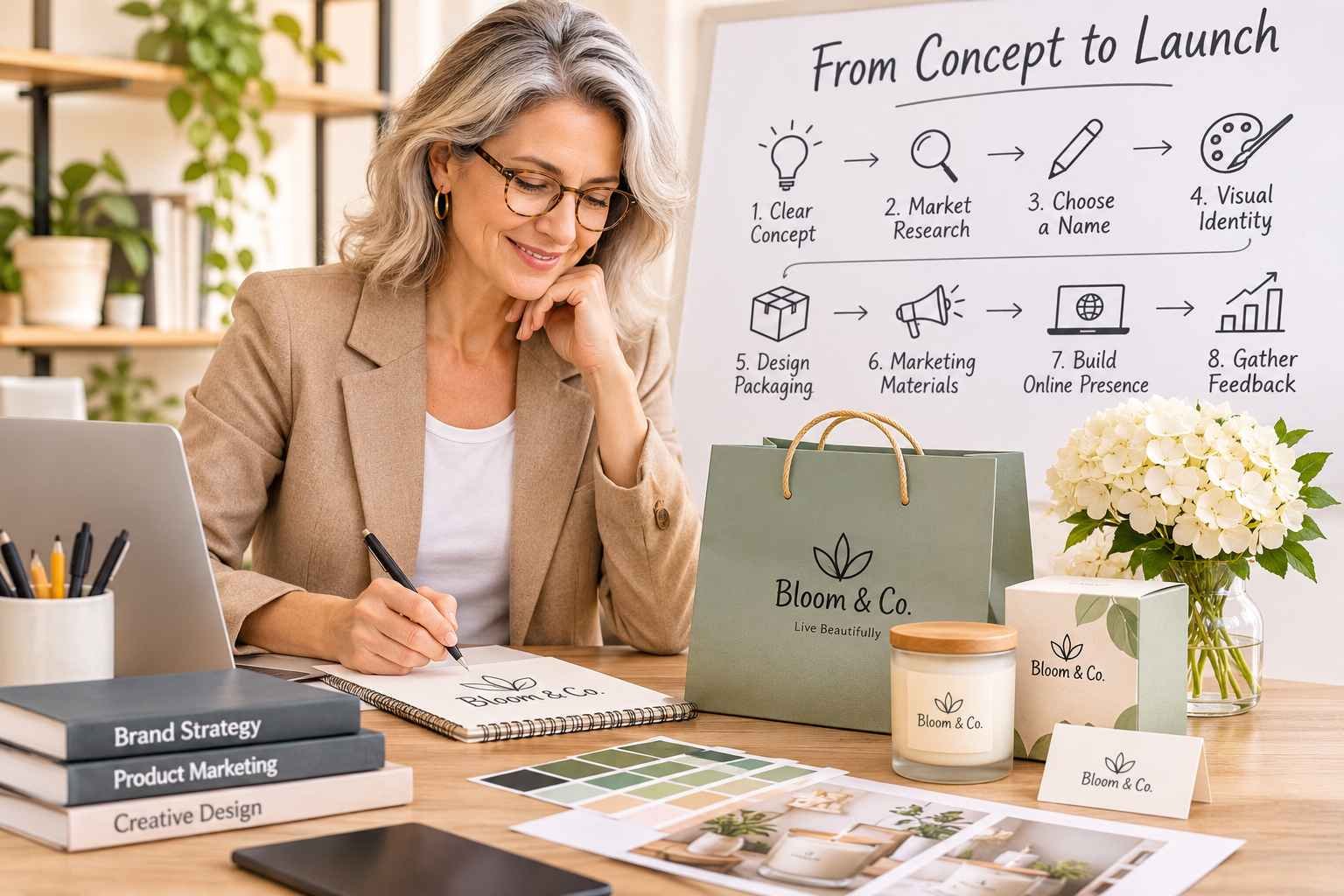
Launching a new product involves much more than developing something useful or visually appealing. Businesses also need to create an identity that helps customers recognize the product, understand its value, and remember it after the first interaction.
Whether someone is introducing a handmade collection, launching a skincare line, developing home decor products, or starting a fashion label, thoughtful branding can make a significant difference.
A successful product brand combines creativity, consistency, and a clear understanding of the target audience. From selecting a product name to designing packaging and planning promotional materials, every decision contributes to the overall customer experience.
Here are some practical steps for creating a product brand that stands out in a competitive market.
1. Start With a Clear Product Concept
Every memorable product brand begins with a well-defined idea. Before working on logos, colors, or packaging, understand what the product offers and why customers might choose it.
Start by identifying:
- The main purpose of the product.
- The problems it solves or needs it fulfills.
- The customers most likely to purchase it.
- The features that distinguish it from competing products.
- The overall impression the brand should create.
For example, a handmade home decor collection may focus on craftsmanship, sustainability, and individuality. A skincare line might emphasize simplicity, ingredient transparency, and everyday convenience.
These characteristics provide a creative direction for the entire branding process.
2. Research the Market Before Developing the Design
Creative ideas become more effective when supported by market research. Understanding existing products and customer preferences can help identify opportunities for differentiation.
Explore competing brands and pay attention to their:
- Product presentation and packaging.
- Naming styles and visual identities.
- Pricing and positioning.
- Customer reviews and feedback.
- Marketing messages and promotional strategies.
The objective is not to copy successful competitors but to understand what customers already recognize and where a new product can offer something different.
For example, if most products in a particular category use similar packaging and colors, a distinctive visual approach may help a new collection attract attention.
3. Choose a Distinctive Product Name
A product name plays an important role in how customers identify and remember a brand. It should reflect the product’s personality while remaining easy to pronounce, spell, and recognize.
When brainstorming names, consider:
- Relevance to the product’s purpose or identity.
- Simplicity and memorability.
- Suitability for future product expansion.
- Availability of relevant domain names and social media handles.
- Existing businesses and trademarks using similar names.
A common mistake is choosing a name simply because its exact spelling appears available online. Similar-sounding or visually related names may already be associated with other businesses.
Before investing in labels, packaging, and advertising, businesses should assess whether their proposed name could create a conflict with an existing brand. Understanding the risks of a Confusingly Similar Trademark can help business owners make more informed naming decisions and avoid potential complications.
A distinctive name gives a product a stronger foundation for building its own identity.
4. Develop a Visual Identity That Reflects the Product
Once the name and positioning are established, the next step is creating a visual identity that communicates the product’s personality.
A cohesive visual system generally includes:
Logo: Develop a recognizable design that works across packaging, websites, labels, and promotional materials.
Color palette: Select colors that complement the product and communicate the intended mood.
Typography: Choose readable fonts that match the brand’s overall personality.
Graphic elements: Incorporate illustrations, patterns, icons, or other design details that support the visual theme.
Photography: Use consistent product images that highlight important features and maintain a recognizable presentation.
For example, a premium candle collection might use muted colors, elegant typography, and minimal illustrations. A playful stationery collection could use brighter colors, expressive graphics, and more experimental layouts.
The important thing is to ensure that all visual elements work together rather than competing for attention.
5. Design Packaging That Creates a Positive First Impression
Packaging is often the first physical interaction customers have with a product. It can influence purchasing decisions, communicate product quality, and make the overall experience more memorable.
Good packaging should balance visual appeal with functionality.
Consider the following elements:
- Appropriate packaging materials.
- Clear product names and descriptions.
- Consistent brand colors and typography.
- Readable labels and instructions.
- Product protection during storage and delivery.
- Relevant regulatory and product information.
Packaging should also reflect the intended customer experience. A luxury product may benefit from refined materials and minimal design, while an everyday household product may require practical, durable, and easy-to-use packaging.
Before finalizing the design, create physical or digital mockups to evaluate how the packaging looks from different angles and in different settings.
6. Create Consistent Marketing Materials
A product brand should look recognizable wherever customers encounter it. Inconsistent promotional materials can weaken brand recognition and make a business appear less established.
Develop a basic design system for:
- Product catalogues and brochures.
- Website banners and product pages.
- Social media graphics.
- Promotional advertisements.
- Email newsletters.
- Business cards and printed materials.
Using consistent visual elements does not mean every design needs to look identical. Instead, each piece should follow the same underlying design principles.
Creating reusable templates can also save time when producing new promotional materials or introducing additional products.
7. Build an Online Presence Before Launch
A product launch becomes more effective when customers can discover the brand and learn about its offerings online.
A dedicated website or product landing page can introduce the collection, explain its features, and provide purchasing information.
Useful website elements include:
- Clear product photographs.
- Detailed product descriptions.
- Pricing and purchasing information.
- Brand background and story.
- Customer reviews when available.
- Frequently asked questions.
- Clear contact and support information.
Social media can support the launch through behind-the-scenes content, design previews, product demonstrations, and announcements.
Businesses can also publish educational content related to their product category. For example, a handmade decor brand might share styling ideas, material guides, and home decoration inspiration.
Providing useful content helps attract potential customers while giving them more reasons to engage with the brand.
8. Collect Feedback and Refine the Product Presentation
A brand should not be treated as a finished project immediately after launch. Customer feedback can reveal opportunities to improve packaging, product descriptions, visual presentation, and the overall buying experience.
Businesses can gather feedback through:
- Customer reviews.
- Post-purchase surveys.
- Social media comments.
- Product testing.
- Direct customer conversations.
- Website engagement data.
For example, customers may appreciate a product’s quality but find its packaging difficult to open. Another product may receive positive feedback but need clearer instructions or better product photography.
These insights help businesses make practical improvements without changing elements that customers already recognize and appreciate.
Conclusion
Creating a memorable product brand requires a combination of creative planning, market research, and consistent execution. From developing a clear product concept and choosing a distinctive name to designing packaging and building an online presence, every stage contributes to how customers perceive the finished product.
Businesses that approach branding as an ongoing process can create stronger product identities, improve customer recognition, and establish a more consistent market presence. With thoughtful design and careful planning, even a small product collection can develop into a recognizable brand.


