Choosing the right dog collar for dogs is one of the first and most important decisions a pet owner makes. A collar is not just a fashion accessory; it is a critical tool for safety, identification, and training. With countless options available—from standard flat collars to specialized training tools—finding the perfect match for your dog’s breed, size, and lifestyle can feel overwhelming. This guide breaks down the essential factors to consider when selecting a dog collar, ensuring comfort, durability, and style.
Understanding the Importance of a High-Quality Dog Collar
A high-quality dog collar serves multiple purposes. Primarily, it holds your dog’s identification tags and rabies vaccination information, which are vital if your pet ever gets lost. Additionally, it provides a secure point of attachment for a leash, enabling safe walks and effective control in public spaces. Beyond functionality, a well-fitted collar prevents injury and discomfort. Poorly made collars can cause chafing, skin irritation, or even escape if the buckle fails. Investing in a durable, reliable collar ensures your dog remains safe and comfortable during every adventure.
Types of Dog Collars and Their Uses
Not all collars are created equal. Understanding the different types helps you make an informed choice based on your dog’s specific needs.
Standard Flat Collars
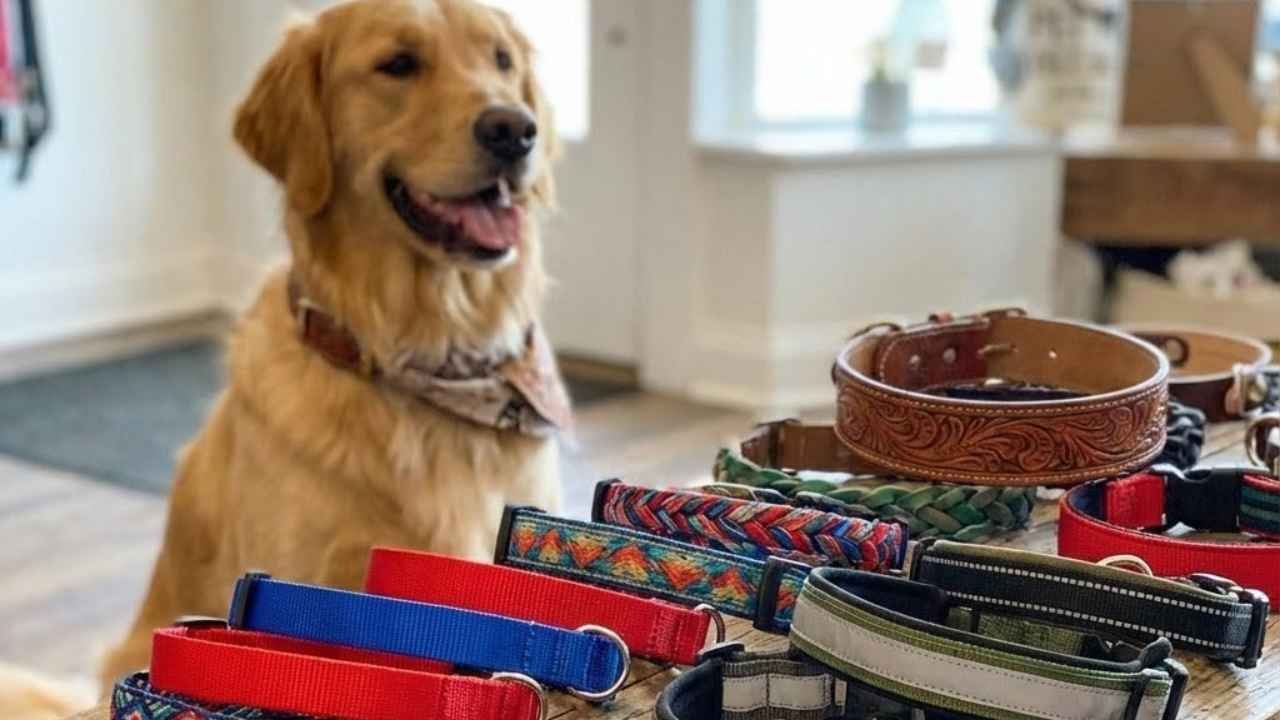
The most common type, flat collars are typically made of nylon or leather and feature a buckle or quick-release snap. They are ideal for everyday wear, holding ID tags, and walking well-behaved dogs.
Martingale Collars
Designed for dogs with narrow heads like Greyhounds or Whippets, martingale collars tighten slightly when the dog pulls, preventing them from slipping out without choking. They are excellent for training and safety.
Head Halters and Harnesses
While technically not collars, these are often used in conjunction with collars for dogs that pull heavily. Head halters guide the dog’s head, while harnesses distribute pressure across the chest to protect the neck.
Material Matters: Nylon, Leather, and More
The material of the collar affects its durability, comfort, and maintenance.
Nylon Collars
Nylon is lightweight, affordable, and available in a vast array of colors and patterns. It is durable and easy to clean, making it a popular choice for active dogs who love water and mud.
Leather Collars
For a classic, stylish look, leather is unmatched. It is strong, durable, and softens over time, molding to your dog’s neck for a custom fit. Leather collars are excellent for dogs with sensitive skin as they are less likely to cause chafing.
Waterproof and Synthetic Materials
Biothane and other synthetic materials are waterproof, odor-resistant, and incredibly easy to clean. These are perfect for dogs that frequent lakes, beaches, or rainy climates.
Ensuring the Perfect Fit
A collar that doesn’t fit properly can be dangerous. A collar that is too loose can slip off, while one that is too tight can restrict breathing and cause pain. To measure your dog correctly, use a flexible tape measure around the neck where the collar normally sits. You should be able to slide two fingers comfortably between the collar and your dog’s neck. Remember to check the fit regularly, especially for growing puppies or dogs with changing weight.
Conclusion
Selecting the right dog collar for dogs involves balancing functionality, comfort, and style. whether you opt for a vibrant nylon collar for daily walks or a sophisticated leather piece for special occasions, prioritizing quality and fit ensures your furry friend stays safe and happy. By understanding the different types and materials available, you can confidently choose a collar that enhances your dog’s life and your peace of mind.