You’ve scheduled your first driving lesson, and the nerves are kicking in. What should you wear? What do you need to bring? And what if you stall the car in the first five minutes?
These are just a few of the questions running through the minds of first-time learners. It’s completely normal to feel a mix of excitement and anxiety before your first session.
After all, this is the start of your journey toward independence on the road. We’ve researched what truly helps first-timers make the most of their experience, and we bring you a clear, practical guide to ease the stress—stay tuned, keep reading to know more.
Why Your First Driving Lesson Matters More Than You Think?
First impressions shape your entire learning experience. Your initial lesson sets the tone not just for your progress, but also for your confidence behind the wheel. If it feels chaotic or overwhelming, it might slow your momentum. But with the right mindset and preparation, your first time in the driver’s seat can be an empowering milestone.
So, how do you make sure it goes smoothly?
What Should You Bring To Your First Lesson?
There are a few key items that you’ll want to have with you—not just for legal reasons, but to make sure everything runs efficiently.
- Your Learner’s Permit: This is a must. Your instructor legally cannot allow you to drive without it.
- Glasses Or Contacts: If your permit indicates you need corrective lenses, make sure to wear them.
- Comfortable Footwear: Avoid flip-flops or chunky shoes. Go for flat, thin-soled shoes that give you control over the pedals.
- Water Bottle: Staying hydrated can keep you alert and focused.
- Any Required Paperwork: Check if your instructor or driving school has sent you a checklist.
Bringing these essentials shows you’re ready and responsible—two things that matter a lot when starting your beginner’s driving lessons.
What Should You Expect During The First Lesson?
Don’t worry—your instructor won’t take you onto the freeway right away. Most beginner’s driving lessons start in a quiet neighborhood or parking lot so you can get familiar with the car. Here’s what usually happens:
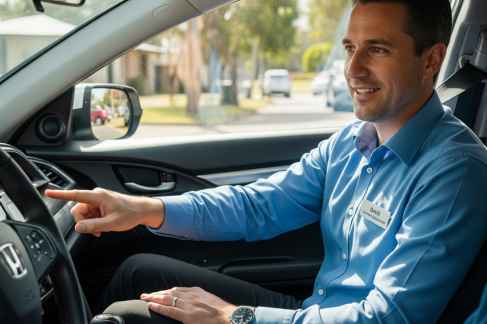
- Getting To Know The Vehicle: You’ll likely spend the first few minutes adjusting your seat, mirrors, and learning the controls.
- Basic Movements: Expect to practice starting and stopping, steering, and maybe some gentle turns.
- Talking Through The Process: Instructors often explain each step before asking you to try it, so you’re not just thrown into the deep end.
It’s okay if you stall the car or take a while to find the right pedal pressure. That’s what learning is for.
How Can You Mentally Prepare?
Nerves are common, but they don’t have to control your experience. Preparing mentally is just as important as remembering your learner’s permit.
Ask yourself:
- What’s My Goal For This Lesson? Maybe it’s just to feel comfortable in the driver’s seat.
- What Am I Most Worried About? Identifying your fears helps you address them early.
- Am I Putting Too Much Pressure On Myself? Progress takes time. Your instructor doesn’t expect perfection—only a willingness to learn.
Remind yourself that beginner’s driving lessons are designed for people with zero experience. You’re not behind—you’re exactly where you’re supposed to be.
What Should You Avoid Doing?
There are a few common traps that can interfere with your learning. Knowing them ahead of time can help you avoid unnecessary frustration.
- Overthinking Every Move: It’s natural to want to “get it right,” but try to stay in the moment.
- Comparing Yourself To Others: Everyone learns differently. Some get the hang of it in one lesson, others need several.
- Trying To Memorize Everything: Driving is more about muscle memory and awareness than textbook learning.
Also, avoid showing up tired or distracted. A clear head makes a big difference.
Final Tips To Get The Most Out Of Your Lesson
Want to really make the most of your first lesson? Here are a few extra strategies:
- Ask Questions Freely: No question is too small. If you’re unsure about something, speak up.
- Stay Open To Feedback: Good instructors give constructive tips that may feel uncomfortable at first but help in the long run.
- Practice Deep Breathing If You’re Nervous: A few slow breaths before starting can help calm your system.
Conclusion:
Be proud of yourself for showing up. Many people put off learning to drive for years because they fear the unknown. You’re already a step ahead just by starting.
Whether you’re learning with a school or a private instructor, preparing properly will shape the quality of your beginner’s driving lessons. Stay curious, stay calm, and remember—every skilled driver was once in your shoes.