Workplace eye injuries affect thousands of workers annually, yet most are preventable with proper protection. Safety eye glasses provide essential protection against hazards ranging from flying debris to chemical splashes, preventing vision-threatening injuries. Understanding when and why to wear protective eyewear keeps your eyes safe while maintaining productivity and compliance with safety regulations.
Understanding Workplace Eye Hazards
Different work environments present various eye safety risks:
- Flying Particles Construction, woodworking, metalworking, and manufacturing involve materials that can become airborne projectiles, causing serious eye injuries.
- Chemical Splashes Laboratory work, cleaning, painting, and industrial processes expose eyes to corrosive or irritating chemicals.
- Radiation Exposure Welding, laser operations, and UV-emitting processes generate harmful radiation requiring specialized protective lenses.
- Dust and Debris Grinding, sanding, demolition, and agricultural work create airborne particles that can irritate or damage eyes.
- Impact Hazards Tools, machinery, falling objects, or equipment malfunctions can cause high-velocity impacts to the eye area.
- Biological Hazards Healthcare and laboratory settings may involve blood, tissue, or infectious materials requiring splash protection.
Types of Safety Eye Glasses
Different hazards require specific protective eyewear:
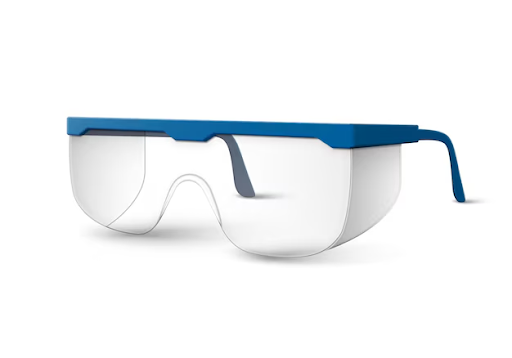
- Safety Glasses with Side Shields Standard protection for general industrial environments, featuring impact-resistant lenses and peripheral coverage.
- Safety Goggles Sealed eye protection preventing liquids, vapors, or fine particles from reaching eyes through gaps, ideal for chemical work.
- Face Shields Full-face protection used alone or over safety glasses for extreme splash or impact hazards.
- Welding Helmets Specialized protection with darkened lenses filtering harmful radiation from welding operations.
- Prescription Safety Glasses Protective eyewear incorporating vision correction, eliminating the need to wear regular glasses under safety goggles.
Industry-Specific Requirements
Different sectors have particular safety eyewear needs:
- Construction Sites Impact-resistant glasses with side shields protect against flying debris, dust, and falling materials.
- Manufacturing Facilities: Depending on processes, workers need glasses resistant to impacts, chemicals, or heat exposure.
- Laboratories: Chemical splash goggles or safety glasses with indirect ventilation prevent hazardous substances from reaching eyes.
- Healthcare Settings Protective eyewear shields against biological splashes during procedures or patient care activities.
- Automotive Repair Safety glasses protect from battery acid, grinding sparks, airbag deployment, and chemical exposures.
- Woodworking Shops Impact-resistant glasses guard against wood chips, sawdust, and tool fragments.
Safety Eyewear Standards
Quality protective eyewear meets established safety certifications:
- ANSI Z87.1 Standards American National Standards Institute requirements ensuring adequate impact resistance and optical quality.
- EN 166 European Standards European certification covering mechanical strength, optical characteristics, and durability requirements.
- CSA Z94.3 Canadian Standards Canadian certification for eye and face protection in workplace environments.
- Markings and Ratings Legitimate safety glasses display standards markings indicating compliance with impact, optical, and coverage requirements.
Proper Fit and Comfort
Effective protection requires correctly fitted safety eyewear:
- Secure Positioning Glasses should sit comfortably without sliding during movement or bending, maintaining coverage of eye areas.
- Adequate Coverage Lenses and frames must protect eyes from all angles, including top, bottom, and sides.
- Adjustable Features Temple arms, nose pieces, and headbands should adjust for individual facial structures and comfort.
- Weight Distribution Properly balanced glasses prevent pressure points and fatigue during extended wear periods.
- Anti-Fog Coatings Essential for maintaining clear vision in temperature-variable environments or during physical exertion.
Features of Quality Safety Glasses
Look for these characteristics in protective eyewear:
- Impact-Resistant Lenses Polycarbonate or Trivex lenses withstand high-velocity impacts without shattering.
- Scratch-Resistant Coatings Protective surface treatments maintain optical clarity despite harsh working conditions.
- UV Protection Lenses blocking harmful ultraviolet radiation protect eyes during outdoor work.
- Anti-Fog Treatment Special coatings prevent condensation that obscures vision and creates safety hazards.
- Wraparound Design Extended peripheral coverage protects eyes from side hazards and prevents debris entry.
When Safety Glasses Are Mandatory
Occupational Safety and Health Administration (OSHA) and local regulations require eye protection in these situations:
- Presence of Eye Hazards Any work environment with identified eye injury risks mandates appropriate protective eyewear.
- Visitor Areas Even non-workers entering hazardous areas must wear proper eye protection.
- Specific Operations Tasks like grinding, cutting, welding, or handling chemicals always require safety glasses regardless of environment.
- Posted Requirements Areas with safety signage indicating eye protection requirements demand compliance from all personnel.
Maintaining Safety Eyewear
Proper care ensures continued protection:
- Regular Cleaning Clean lenses with appropriate cleaning solutions and soft cloths to maintain visibility and remove contaminants.
- Damage Inspection Check regularly for cracks, scratches, or damage that compromises protection—replace damaged eyewear immediately.
- Proper Storage Store safety glasses in protective cases when not in use to prevent scratches and damage.
- Replacement Schedule Replace safety eyewear according to manufacturer recommendations or when showing signs of wear.
Common Compliance Challenges
Address these barriers to consistent safety eyewear use:
- Comfort Issues Modern safety glasses offer improved comfort—try different styles to find suitable options.
- Prescription Needs Invest in prescription safety glasses rather than wearing regular glasses under goggles, which creates gaps.
- Fogging Problems Use anti-fog solutions, coatings, or ventilated designs to maintain clear vision.
- Style Concerns Contemporary safety glasses come in fashionable designs that workers willingly wear.
Emergency Eye Care
Despite prevention, accidents happen:
- Immediate Response Flush eyes with clean water for 15+ minutes after chemical exposure before seeking medical attention.
- No Rubbing Avoid rubbing eyes after particle entry—this can cause additional damage.
- Professional Evaluation Seek medical assessment for any eye injury, even seemingly minor ones, as delayed symptoms can indicate serious problems.
Conclusion
Safety eye glasses are essential protective equipment in numerous work environments, preventing devastating eye injuries that could end careers or cause permanent vision loss. Understanding when protection is necessary, selecting appropriate eyewear for specific hazards, and maintaining proper fit and condition ensures maximum protection. Whether working in construction, laboratories, manufacturing, or any environment with eye hazards, making safety eyewear a non-negotiable part of your work routine protects your most precious sense and ensures long-term eye health and career longevity.