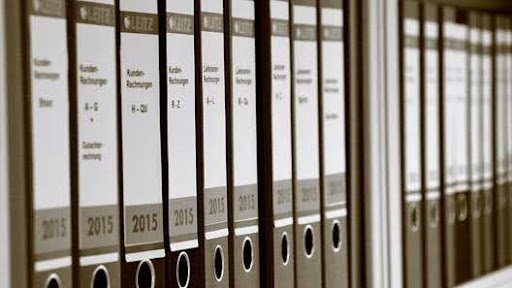
Signing a document is usually the easy part. What happens afterward, where it’s stored, whether it can be found again, and whether anyone remembers it exists, is where most legal document management actually breaks down. Individuals and small businesses alike tend to treat document creation as the finish line, when really it’s just the beginning of a document’s useful life. A contract that can’t be located when it’s needed provides essentially none of the protection it was meant to offer. Building a habit around storing and organizing paperwork properly is a small effort that pays off considerably down the road.
What Poor Document Management Actually Costs
The consequences of disorganized paperwork rarely show up right away. They surface later, when a landlord asks for a lease copy that’s been misplaced, or a client references an agreement nobody can locate. Good legal document management isn’t about having a fancy system; it’s about being able to find what you need when you need it.
Small businesses feel this especially hard. A signed vendor agreement buried in an old email thread might as well not exist if nobody can retrieve it during a dispute. The cost isn’t just inconvenience, it’s the leverage lost when a document that should protect you can’t be produced.
Building a System That Actually Holds Up
- A consistent naming convention so files can be found by searching rather than guessing
- Separate folders or categories for different document types, like contracts, agreements, and consent forms
- A backup copy stored somewhere other than a single device or inbox
- A habit of reviewing older documents periodically to confirm they’re still current and relevant
None of this requires expensive software. A well-organized folder structure, whether digital or physical, covers most individual and small-business needs. The point isn’t sophistication, it’s consistency applied over time.
Digital Versus Physical Storage
Digital storage makes searching easier, but it also introduces its own risks, like a device failing or a file getting accidentally deleted. Physical copies solve some of those problems but create others, namely the risk of loss or damage. Most people end up better served by keeping both: a scanned digital copy for quick access and a physical original for anything requiring a signature or seal.
Cloud backup services have made this easier than it used to be, letting people keep documents accessible from anywhere without relying on a single computer or filing cabinet.
Making the System Stick
The best document management system is the one that actually gets used consistently, not the most sophisticated one on paper. Setting a recurring reminder to review and file new documents, rather than letting them pile up, turns organization into a habit instead of an occasional scramble. Even ten minutes a month spent filing and labeling recent paperwork keeps the whole system from falling behind.
Sharing Access Without Losing Control
For small businesses, more than one person often needs access to important documents. Deciding early who can view or edit which files, and keeping a simple log of who has access, prevents both the confusion of duplicate versions and the risk of sensitive paperwork ending up somewhere it shouldn’t. A little structure here goes a long way as a team grows.
Retiring Old Documents Properly
Not every document needs to stay active forever. Expired agreements and outdated forms should be archived rather than deleted outright, since old paperwork can still matter for tax records or historical reference. A clear system for marking documents as inactive, while still keeping them accessible, avoids both clutter and the risk of losing something that turns out to matter later. Labeling archived files clearly by year makes them easy to locate if a question ever comes up.
Final Thoughts
Legal document management isn’t glamorous, but it’s the difference between paperwork that protects you and paperwork that quietly becomes useless. A simple, consistent system beats an elaborate one nobody maintains, and the effort pays off exactly when it’s needed most. Start small, build the habit gradually, stay consistent, and the system will hold up reliably when it actually counts most.