Understanding how to effectively manage and treat paralysis in dogs is crucial for any pet owner facing this challenging situation. Paralysis can be a distressing condition, but with the right approach, many dogs can experience significant improvement. Early identification and appropriate dog paralysis treatment are key to enhancing your dog’s quality of life.
Recognizing Dog Paralysis Symptoms
The first step in addressing paralysis is recognizing the symptoms. Dog paralysis symptoms can vary depending on the underlying cause and the severity of the condition. Common signs include an inability to move one or more limbs, dragging of the hind legs, and loss of bladder or bowel control. Some dogs might also exhibit pain or discomfort, while others may seem completely unaware of their immobility.
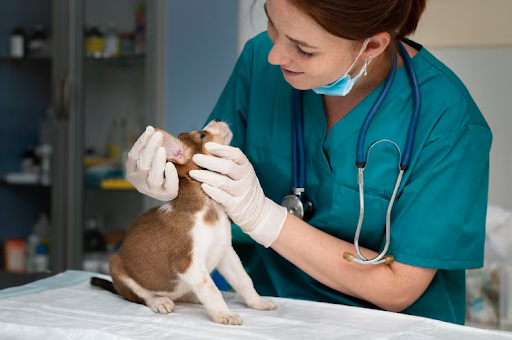
It’s essential to monitor your dog closely for any changes in behavior or mobility. Early detection can make a significant difference in the outcome of treatment. If you notice any unusual symptoms, consulting a veterinarian promptly is crucial.
Understanding Dog Paralysis Causes
Paralysis in dogs can result from various causes, each requiring a different approach to treatment. Some of the most common dog paralysis causes include:
- Intervertebral Disc Disease (IVDD): A common condition in certain breeds, where the discs between the vertebrae bulge or burst, pressing on the spinal cord.
- Trauma: Injuries from accidents or falls can lead to spinal cord damage, resulting in paralysis.
- Infections or Inflammation: Conditions such as meningitis or myelitis can cause inflammation in the spinal cord, leading to paralysis.
- Tumors: Growths in or near the spinal cord can compress nerves and cause paralysis.
- Neurological Disorders: Conditions like degenerative myelopathy can progressively impair mobility.
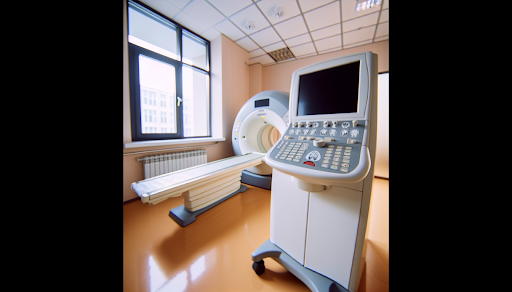
Identifying the root cause of paralysis is vital for determining the most effective treatment plan. A veterinarian will typically perform a thorough examination, which may include imaging tests such as X-rays or MRIs, to diagnose the condition accurately.
Effective Dog Paralysis Treatment Options
Once the cause of paralysis is identified, an appropriate treatment plan can be developed. Treatment options vary widely and depend on the specific diagnosis. Here are some common approaches:
- Medication: Anti-inflammatory drugs or steroids can help reduce swelling and pain, particularly in cases of IVDD or inflammation.
- Surgery: In cases where there is a physical obstruction or severe injury, surgical intervention may be necessary to relieve pressure on the spinal cord.
- Physical Therapy: Rehabilitation exercises can help improve mobility and strength. Techniques such as hydrotherapy or acupuncture are often beneficial.
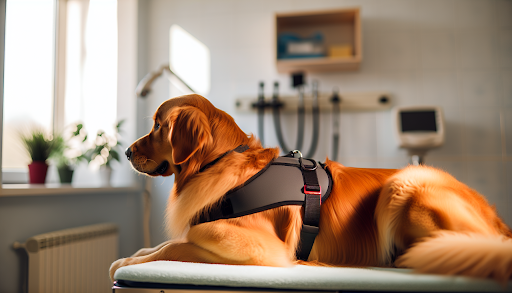
- Supportive Care: Ensuring your dog is comfortable and preventing complications like pressure sores is essential. This may involve using harnesses or carts to aid movement.
Each treatment plan should be tailored to the individual dog’s needs, considering factors such as age, overall health, and the severity of the condition. Working closely with a veterinarian and possibly a veterinary neurologist can provide the best outcomes.
Signs of Recovery for Paralyzed Dogs
Monitoring signs of recovery for paralyzed dogs can be both encouraging and challenging. Recovery can vary significantly depending on the cause and severity of paralysis. Some positive signs to look for include:
- Increased Mobility: Any improvement in the ability to move limbs or stand is a good sign.
- Pain Reduction: Less pain or discomfort during movement suggests healing.
- Improved Bladder/Bowel Control: Regaining control over these functions indicates nerve recovery.
- Response to Therapy: Positive reactions to physical therapy or exercises can signify progress.
It’s important to remain patient and realistic about recovery timelines. Some dogs may recover quickly, while others may require long-term management. Regular veterinary check-ups are crucial to assess progress and adjust treatment plans as needed.
Preventing Future Paralysis Episodes
While not all causes of paralysis can be prevented, certain measures can reduce the risk of recurrence or initial onset. These include:
- Weight Management: Keeping your dog at a healthy weight reduces stress on the spine and joints.
- Safe Environment: Preventing accidents by ensuring your home and yard are safe can reduce the risk of traumatic injuries.
- Regular Veterinary Check-ups: Routine examinations can help catch potential issues early, allowing for prompt intervention.
By taking proactive steps, you can help protect your dog from future paralysis episodes and maintain their overall well-being.
Conclusion
Managing dog paralysis involves understanding the symptoms and causes, selecting appropriate treatment options, and monitoring recovery signs. With timely intervention and a comprehensive care plan, many dogs can regain mobility and enjoy a good quality of life. Always consult with a veterinarian to tailor a treatment strategy specific to your dog’s condition and needs.