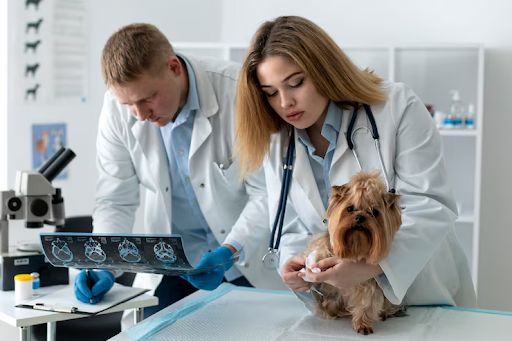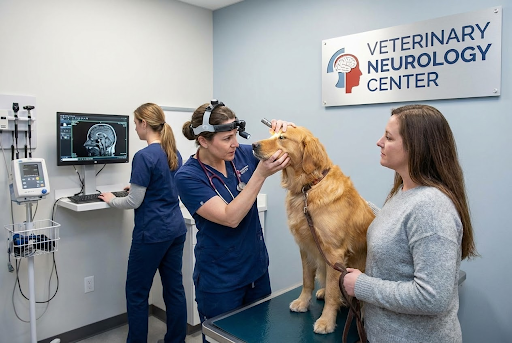
Pet owners facing complex neurological concerns require specialized expertise only an animal neurology and imaging center can provide. Unlike general veterinary practices, specialized neurology centers employ board-certified veterinary neurologists combining advanced diagnostic imaging, sophisticated testing protocols, and targeted treatment approaches addressing seizures, spinal cord injuries, and progressive neurological diseases. This comprehensive guide explores how specialized animal neurology centers diagnose difficult cases, what diagnostic tools distinguish them from general practices, and when pet owners should seek neurological consultation.
Common Neurological Conditions in Pets
Seizure Disorders
Seizures represent 1-5% of all veterinary cases, with causes ranging from genetic predisposition to brain tumors. Specialized neurologists:
- Document seizure characteristics (frequency, duration, progression)
- Perform EEG monitoring (brain electrical activity assessment)
- Execute comprehensive diagnostic imaging (MRI/CT scan)
- Determine seizure etiology (idiopathic epilepsy vs. secondary causes)
- Design treatment protocols minimizing medication side effects
Proper seizure classification determines appropriate anticonvulsant therapy; misdiagnosis leads to treatment failures or unnecessary medication.
Intervertebral Disc Disease (IVDD)
Disc herniation causing spinal cord compression affects multiple breeds. Signs include:
- Hind limb weakness or paralysis
- Loss of bladder/bowel control
- Pain during movement
- Reluctance to walk or jump
Board-certified neurologists employ MRI imaging precisely localizing disc herniation, enabling surgical planning or medical management decisions. Early intervention prevents permanent paralysis; delays risk irreversible spinal cord damage.
Vestibular Disease
The vestibular system maintains balance and spatial orientation. Dysfunction causes:
- Severe dizziness and disorientation
- Circling behavior
- Head tilting
- Nausea and vomiting
- Rapid eye movements (nystagmus)
Specialized neurologists differentiate peripheral vestibular disease (inner ear pathology, usually benign) from central vestibular disease (brainstem involvement, often serious). MRI imaging confirms diagnosis; treatment depends on underlying cause.
Cognitive Dysfunction Syndrome
Senior pets develop age-related cognitive decline causing confusion, disorientation, and behavioral changes. Neurological assessment documents disease progression, guiding management strategies including dietary supplements, environmental enrichment, and pharmaceutical interventions.
Degenerative Myelopathy
Progressive spinal cord degeneration primarily affects large breed dogs, causing gradually worsening hind limb weakness. Genetic testing combined with neurological examination and imaging confirms diagnosis. While no cure exists, specialized centers design management plans maximizing quality of life.
Diagnostic Capabilities of Specialized Centers
Advanced Imaging Technology
MRI (Magnetic Resonance Imaging):
- Visualizes brain and spinal cord soft tissue
- Detects tumors, inflammation, disc herniation
- No radiation exposure
- Gold standard for neurological diagnosis
- Cost: $1,500-3,500 per scan
CT (Computed Tomography):
- Excellent bone detail
- Rapid imaging (useful for acute trauma)
- Complements MRI findings
- Cost: $800-2,000 per scan
Ultrasound:
- Rapid assessment (no anesthesia required)
- Evaluates spinal cord fluid dynamics
- Screens for obvious abnormalities
Electrodiagnostic Testing
EEG (Electroencephalography):
- Records brain electrical activity
- Diagnoses seizure patterns
- Monitors treatment response
- Cost: $400-800 per session
EMG (Electromyography):
- Assesses muscle electrical activity
- Identifies nerve damage
- Evaluates muscle disorders
- Cost: $300-600 per test
Specialized Testing
Cerebrospinal Fluid (CSF) Analysis:
- Detects infection, inflammation, cancer
- Requires spinal tap under anesthesia
- Identifies specific disease causes
- Cost: $500-1,500 including analysis
Genetic Testing:
- Confirms hereditary neurological diseases
- Guides breeding recommendations
- Identifies disease predisposition
- Cost: $200-600 per test
Neurological Consultation Process
Initial Consultation
Board-certified neurologists:
- Obtain detailed history (symptom onset, progression, family background)
- Perform comprehensive neurological exam (assess cranial nerves, motor function, proprioception, reflexes)
- Develop diagnostic plan based on findings
- Discuss testing options, costs, time commitment
Thorough initial consultation often solves 50% of cases through history and physical examination alone.
Diagnostic Testing Phase
Based on initial examination findings, neurologists recommend:
- Imaging studies (MRI/CT priority varies by suspected condition)
- Electrodiagnostic testing (if indicated)
- Laboratory analysis (bloodwork, CSF analysis)
- Genetic testing (if hereditary disease suspected)
Coordinating multiple tests efficiently minimizes total time and cost.
Treatment Planning
Once diagnosis confirmed, specialists:
- Explain disease progression expectations
- Present treatment options (medical vs. surgical)
- Discuss prognosis and quality-of-life considerations
- Create detailed management protocols
- Provide medication recommendations with dosing protocols
- Schedule follow-up monitoring
When to Seek Neurological Consultation
Immediate consultation needed:
- Sudden paralysis or weakness
- Acute seizures
- Severe head trauma
- Loss of consciousness
- Uncontrollable circling or disorientation
Non-emergency consultation appropriate:
- Recurrent seizures despite medication
- Progressive weakness or stumbling
- Chronic pain unresponsive to treatment
- Behavioral changes suggesting neurological cause
- Diagnostic uncertainty after general veterinary workup
Most veterinarians recognize when neurological expertise exceeds their scope, making referrals to specialized centers appropriate.
Cost & Time Considerations
Initial consultation: $200-400
MRI imaging: $1,500-3,500
Follow-up visits: $150-300
Medications: $50-500 monthly
Total investment varies tremendously based on diagnosis complexity and treatment approach.
Timeline: Initial diagnosis typically requires 2-4 weeks (scheduling imaging, completing tests, results analysis).
Prognosis & Quality of Life
Specialized neurological centers emphasize quality-of-life optimization. While some conditions remain incurable, proper diagnosis and management extend comfortable life expectancy significantly. Pet owners gain clarity about disease progression, enabling informed decisions about treatment intensity and end-of-life care.
Conclusion
An animal neurology and imaging center provides specialized expertise, advanced diagnostic capabilities, and sophisticated treatment approaches addressing complex neurological diseases affecting pets. Board-certified neurologists bring training, experience, and technology enabling precise diagnoses and optimized treatment plans beyond general veterinary practice scope. When pets face neurological symptoms defying explanation, specialized neurological centers offer hope through expert care and advanced diagnostics.