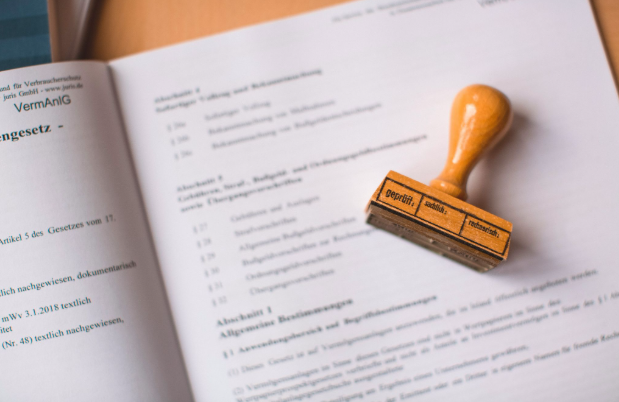
Forming and running a business entity — whether a corporation, LLC, or partnership — requires more than registering a name and opening a bank account. Corporate legal forms are the foundational documents that define how your business is structured, how decisions are made, and how relationships between owners and stakeholders are governed.
Without these documents, even a well-run business lacks the formal legal framework that courts, banks, and investors expect.
Key Takeaways
|
What Are Corporate Legal Forms?
Corporate legal forms are the official documents that establish and govern a business entity. They define ownership structures, decision-making authority, the rights and responsibilities of members or shareholders, and the procedures by which the business operates formally.
Are They Required by Law?
In many cases, yes. Most states require LLCs to maintain an operating agreement, corporations to maintain bylaws, and all entities to keep certain records on file. Even when not strictly required, these documents are considered standard practice for any professionally managed business.
Essential Corporate Legal Forms by Business Type
For LLCs: Operating Agreement
An operating agreement is the central governance document for a limited liability company. It outlines ownership percentages, member roles and responsibilities, voting rights, profit distribution, and procedures for adding or removing members. Without an operating agreement, the LLC is generally governed by the default rules of the state where it is formed.
For Corporations: Corporate Bylaws
Bylaws serve a similar function for corporations that operating agreements serve for LLCs. They establish the rules by which the corporation is governed: how the board of directors is structured, how meetings are conducted, how officers are appointed, and how major decisions are made.
Shareholder Agreement
A shareholder agreement governs the relationship between a corporation’s shareholders. It typically covers share transfer restrictions, buy-sell provisions, and shareholder rights in various scenarios — including what happens if an owner wants to exit the business.
Board Resolutions
Board resolutions are formal documents that record decisions made by a corporation’s board of directors. They are required for significant corporate actions such as opening bank accounts, entering into major contracts, and issuing stock.
Partnership Agreement
For general or limited partnerships, a partnership agreement documents the terms of the business relationship between partners — including capital contributions, profit-sharing, decision-making authority, and dissolution procedures.
Why Maintaining Corporate Documents Matters
Corporate legal forms need to be updated and maintained as the business grows and evolves. Common triggers for updating corporate documents include changes in ownership, amendments to governance procedures, significant transactions, and changes in applicable law.
Maintaining accurate and current corporate documents is also important for demonstrating that the business is operating as a legitimate, distinct entity — which is essential for protecting the liability protections that entity structures provide.
Accessing Corporate Legal Forms Through a Document Service
Many foundational corporate legal forms follow standard structures consistent across most industries. Attorney-vetted templates for operating agreements, corporate bylaws, shareholder agreements, and board resolutions are available through reputable legal document services, making these forms accessible without requiring a bespoke legal engagement for each document.
Conclusion
Corporate legal forms are the structural backbone of any business entity. They define how power is distributed, how decisions are made, and how the business is governed — and they protect the entity’s legal standing in the eyes of courts, banks, and business partners.
Access attorney-vetted corporate legal forms at 360 Legal Forms. Whether you are forming an LLC, organizing a corporation, or documenting a partnership, the right forms are the starting point for a professionally structured business.