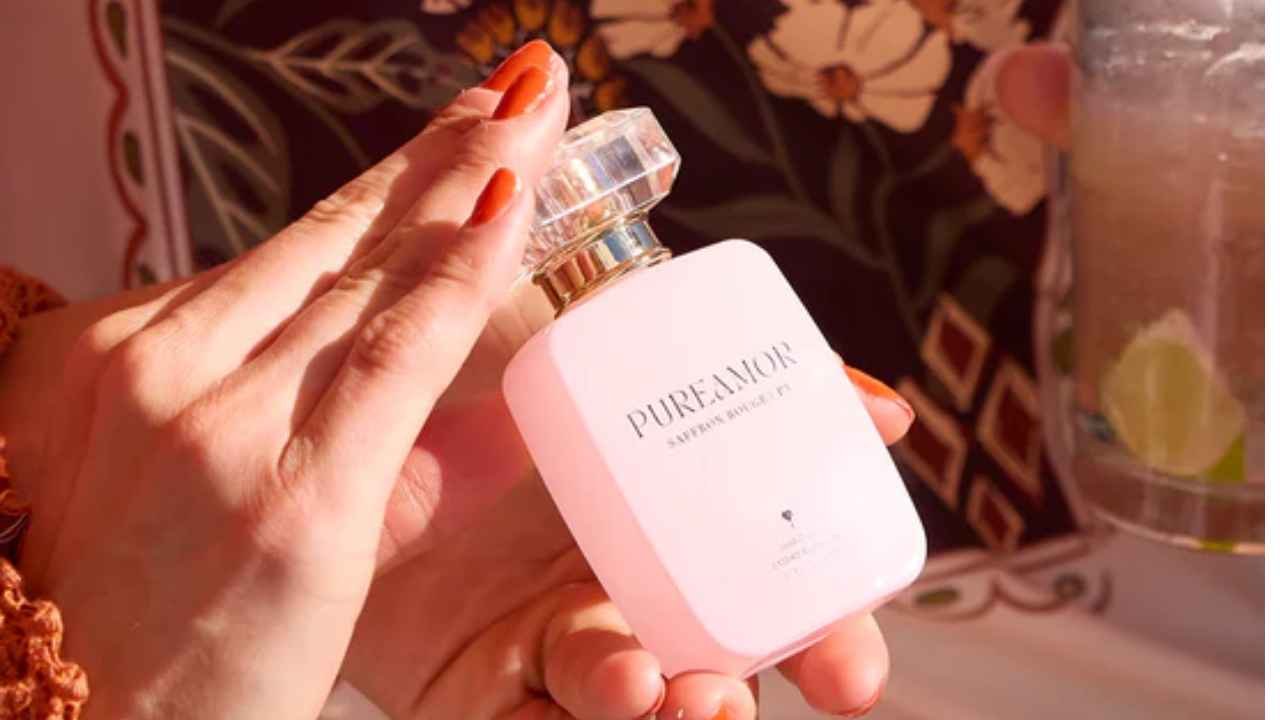
Floral scents have long been associated with elegance and femininity, but contemporary floral perfumes are far more diverse than the traditional powdery bouquets of the past. Modern compositions can be airy and transparent, lush and romantic, or even dark and mysterious, depending on the flowers and supporting notes used. Rather than simply mimicking a single bloom, many creations aim to capture an overall mood—such as fresh morning dew, a warm evening garden, or a chic city bouquet.
Key Floral Notes in Modern Perfumery
Commonly used floral notes include rose, jasmine, orange blossom, tuberose, iris, and peony, each contributing a unique character. Rose can range from fresh and lemony to deep and velvety; jasmine may be light and silky or intensely indolic; tuberose and gardenia are often creamy and heady. Peony, on the other hand, tends to feel dewy, soft, and slightly fruity, making it popular in youthful compositions.
Floral Fragrance Perfume Styles
A floral fragrance perfume can be categorized in several ways:
- Soliflore: Focused on a single flower, such as a rose or a lily-of-the-valley, highlighting its nuances.
- Bouquet: Combines multiple florals for a layered effect, often used in classic feminine fragrances.
- Floral-Oriental: Blends florals with warm, resinous notes like amber or vanilla, adding richness and sensuality.
- Floral-Fruity: Mixes florals with fruits such as pear, peach, or berries for a playful, modern profile.
These variations allow floral perfumes to appeal to a wide range of tastes and occasions.
How Florals Are Balanced With Other Notes
To keep floral perfumes interesting and wearable, perfumers often introduce contrasting elements. Fresh citrus top notes can lift a dense rose or jasmine heart, preventing it from feeling heavy. Green notes and herbs add a natural, leafy backdrop. Woods like cedar or sandalwood in the base create a subtle, grounded finish that keeps the fragrance from becoming too sweet. Musks can lend a clean or skin-like softness, enhancing the intimate quality of a floral scent.
When to Wear Different Floral Styles
Floral perfumes are highly versatile, but certain styles naturally fit specific contexts:
- Light, airy florals: Ideal for office settings, daytime wear, and warmer months.
- Creamy white florals: Often suited to evening events, special occasions, or cooler nights where their richness can bloom.
- Floral-orientals: Work well as signature scents for those who prefer a more dramatic, lingering presence.
Rotating between lighter and deeper floral compositions based on season and mood can help you get more enjoyment out of your collection.
Perception and Personal Identity
Because flowers are so strongly linked to cultural and emotional symbolism, choosing a floral perfume can feel like an expression of identity. Some gravitate toward dewy rose and peony for a soft, romantic feel, while others prefer bold tuberose or jasmine for a confident, statement-making impression. How a floral scent interacts with your skin chemistry also plays a key role in whether it feels “right” for you.
Conclusion
Floral perfumes remain a cornerstone of perfumery because they offer an incredible range of moods—from delicate and innocent to powerful and seductive. By understanding the different floral notes and how they are combined with other scent families, you can find a floral fragrance perfume that aligns with your personal style and the occasions you have in mind.