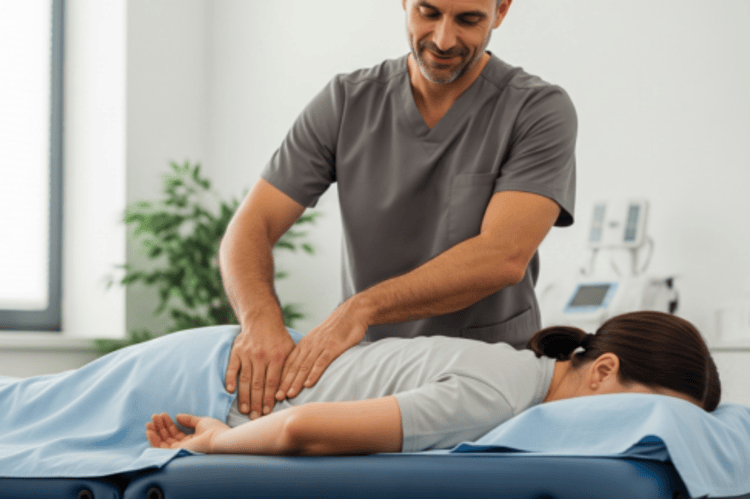
Kirkland’s active, health-conscious population has driven significant growth in therapeutic health services—and therapeutic massage has emerged as one of the most sought-after clinical modalities for managing the musculoskeletal complaints that affect working adults, athletes, and active families alike. kirkland therapeutic massage delivered by licensed clinical therapists within an integrated chiropractic and wellness clinic provides targeted, evidence-informed treatment that goes far beyond general relaxation—addressing the specific soft tissue dysfunction driving pain, restricted movement, and diminished physical performance.
What Therapeutic Massage Treats in the Kirkland Population
Kirkland’s combination of technology-sector desk workers, active outdoor enthusiasts, and family-oriented residents creates predictable musculoskeletal complaint patterns that therapeutic massage addresses effectively:
Tech Worker Tension Patterns Extended keyboard and monitor use creates characteristic tension in the cervical spine extensors, upper trapezius, levator scapulae, and pectoral musculature. This pattern generates neck pain, shoulder tightness, tension headaches, and progressive postural adaptation that worsens without intervention. Therapeutic massage directly targets these holding patterns—releasing the specific muscles involved rather than providing general whole-body relaxation.
Runner and Cyclist Overuse Conditions Kirkland’s extensive trail network and cycling routes make running and cycling the most common athletic activities in the community. IT band syndrome, hamstring and calf tightness, plantar fasciitis, and hip flexor shortening are predictable overuse conditions in endurance athletes. Therapeutic massage applied to relevant soft tissue—combined with targeted stretching guidance—manages these conditions and reduces injury recurrence risk.
Parent and Caregiver Physical Demands The physical demands of childcare—repetitive lifting, carrying, and the postural compromises of nursing and feeding—create a predictable pattern of low back strain and shoulder tension. Therapeutic massage provides relief and functional restoration for this commonly overlooked demographic.
Stress-Related Physiological Tension The physiological response to chronic occupational and life stress—elevated cortisol, sustained sympathetic nervous system activation, and persistent muscular guarding—creates real physical tension that responds well to therapeutic massage’s documented neuroendocrine effects: reduced cortisol, increased serotonin and dopamine, and sustained parasympathetic activation.
Clinical Techniques Used in Therapeutic Massage
Deep Tissue Massage Systematic application of firm, sustained pressure through superficial muscle layers to access deeper structures. Most effective for chronic tension patterns and restricted movement presentations.
Trigger Point Therapy Precise pressure applied to hyperalgesic spots within muscle tissue that generate local and referred pain. Release of active trigger points often produces immediate, significant pain reduction—particularly relevant for headache and referred arm or leg pain presentations.
Myofascial Release Sustained, low-load pressure applied to fascial restrictions that limit movement and sustain pain patterns independent of muscle tension. Effective for chronic presentations where standard muscle-focused work has provided incomplete or temporary relief.
Sports and Active Release Techniques Targeted techniques combining precise manual pressure with active patient movement—breaking down adhesions within muscles, tendons, and surrounding fascia that conventional massage techniques cannot access effectively.
Neuromuscular Technique Assessment and treatment of specific neuromuscular dysfunction contributing to postural asymmetry, nerve-related symptoms, and complex chronic pain presentations.
Therapeutic Massage Within Integrated Chiropractic Care
At Primespines’ Kirkland location, therapeutic massage is not delivered as a standalone service but as an integrated component of coordinated musculoskeletal care alongside chiropractic treatment.
This integration produces specific clinical benefits:
Pre-Adjustment Preparation Therapeutic massage before chiropractic adjustment reduces muscle guarding and fascial tension surrounding restricted joints—allowing adjustments to be performed with greater precision, less patient discomfort, and more lasting effect.
Post-Adjustment Soft Tissue Management Massage following chiropractic adjustment prevents the surrounding musculature from immediately pulling adjusted joints back toward their restricted positions—extending the functional benefit of adjustment between visits.
Comprehensive Treatment Planning Treating providers share clinical observations, coordinate technique emphasis, and adjust individual treatment approaches based on integrated patient progress assessment.
How to Know If Therapeutic Massage Is Right for You
Kirkland therapeutic massage is appropriate for most adults experiencing:
- Neck, shoulder, or back pain regardless of cause
- Headaches with muscular or cervical origin
- Restricted range of motion limiting daily activity or sport
- Post-injury soft tissue dysfunction
- Stress-related physical tension affecting sleep or daily comfort
- Athletic performance limitation related to muscle tightness or recurring strain
Initial assessment by a licensed massage therapist establishes which techniques are most appropriate for your specific presentation and goals.
Conclusion
Kirkland therapeutic massage delivered within Primespines’ integrated clinical environment provides targeted, evidence-informed soft tissue care that addresses the specific musculoskeletal complaints most common in Kirkland’s active and working population. By combining clinical assessment, appropriate technique selection, and coordination with chiropractic care, therapeutic massage at this integrated practice produces outcomes in pain relief, movement restoration, and physical performance that general relaxation massage cannot achieve—making it a valuable clinical resource for Kirkland residents committed to managing musculoskeletal health proactively and effectively.