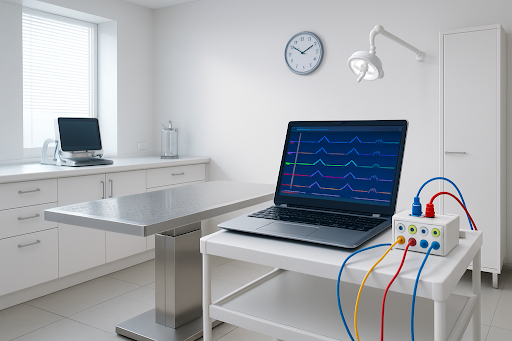
Advancements in veterinary science are revolutionizing the way we diagnose and treat hearing impairments in dogs. In 2026, one of the most reliable methods for testing canine hearing is through specialized auditory exams. These tests are crucial for identifying issues early and ensuring that dogs maintain a high quality of life.
Identifying hearing loss in dogs can be challenging, as the symptoms are often subtle and easily overlooked. Owners might notice changes in their pet’s behavior, such as unresponsiveness to commands or a lack of reaction to everyday sounds. To accurately assess a dog’s hearing capabilities, veterinarians often recommend a BAER test for dogs. This test, short for Brainstem Auditory Evoked Response, is a sophisticated procedure that measures the electrical activity in a dog’s brain in response to sound stimuli.
The BAER test is an invaluable tool for diagnosing congenital deafness, which is prevalent in certain breeds such as Dalmatians and Australian Shepherds. It is also useful for detecting acquired hearing loss, which may occur due to age, trauma, or disease. By measuring the brain’s response to sound, veterinarians can pinpoint the presence and extent of hearing impairment.
The Importance of Early Detection
Early detection of hearing issues is critical for effective management and treatment. Puppies, particularly those from breeds with a higher predisposition to deafness, should be screened early. This allows for timely interventions, which might include training adaptations or the use of visual cues to aid communication.
Moreover, early diagnosis can prevent potential safety hazards. Dogs with untreated hearing loss might not respond to hazardous situations like oncoming traffic or other environmental dangers. Thus, regular auditory check-ups should form a part of a dog’s routine health assessments.
Trends in Canine Audiology
In 2026, several trends are shaping the landscape of canine audiology. These include advancements in testing technology, increased accessibility to specialized veterinary services, and a greater emphasis on preventative care.
Advanced Testing Technologies
Recent innovations have led to more efficient and accurate hearing tests for dogs. Portable BAER testing equipment is becoming more widespread, allowing veterinarians to conduct tests in various settings, not just specialized clinics. This flexibility ensures more dogs can be tested promptly, facilitating early intervention.
Increased Accessibility
With the growing recognition of the importance of auditory health, veterinary practices are increasingly investing in audiology equipment. This expansion makes it easier for pet owners to access necessary tests without needing to travel long distances. Additionally, some practices are offering mobile testing units, bringing services directly to pet owners’ homes.
Preventative Care Emphasis
More veterinarians are advocating for regular hearing screenings as part of routine check-ups, especially for breeds susceptible to hearing issues. This preventative approach aims to catch potential problems before they manifest as significant health concerns. Regular monitoring also helps in tracking the progression of any detected hearing loss.
Managing Deafness in Dogs
Once a dog is diagnosed with hearing loss, managing the condition becomes a priority. Owners can employ various strategies to ensure their pet leads a fulfilling life despite auditory challenges.
Training and Communication
Training is a cornerstone of managing deafness. Dogs can be taught to respond to hand signals or other visual cues. Consistency and patience are key, and many training resources and professional trainers specialize in methods tailored for deaf or hearing-impaired dogs.
Environmental Adaptations
Adapting the home environment to accommodate a deaf dog is also crucial. This might include using vibration-based alert devices or ensuring the dog has a safe space when startled by unexpected movements. These adaptations can help create a secure and comfortable home life for the dog.
Community and Support Networks
Connecting with other pet owners facing similar challenges can provide invaluable support and advice. Online communities and local support groups offer resources, tips, and reassurance, helping owners navigate their dog’s hearing loss journey.
Veterinary Support
Ongoing veterinary support is essential. Regular check-ups can monitor the dog’s condition and adjust management strategies as needed. Vets can also provide guidance on any new treatments or assistive technologies that may become available.
Conclusion
Understanding and addressing hearing loss in dogs is becoming increasingly sophisticated in 2026. With advancements in testing technologies and a growing focus on preventative care, pet owners have more tools than ever to ensure their dogs lead healthy, happy lives. Regular screenings, early detection, and effective management strategies are key components in caring for dogs with hearing impairments. As awareness and accessibility continue to grow, more dogs will benefit from early interventions and improved quality of life.