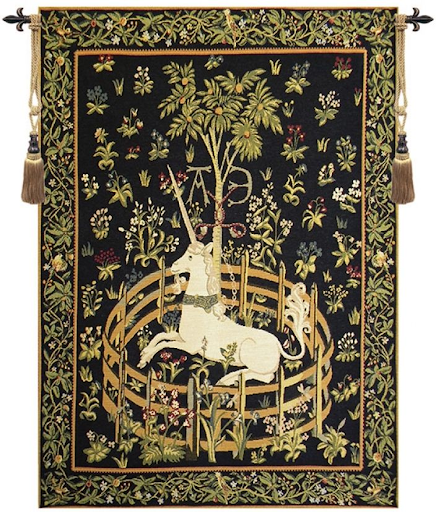
Medieval unicorn tapestries are among the most captivating and iconic works of art from the Middle Ages. These tapestries combine exquisite craftsmanship, intricate storytelling, and rich symbolism, making them highly prized by collectors, historians, and interior design enthusiasts alike. Beyond their decorative appeal, they offer a glimpse into the culture, artistry, and mythology of medieval Europe.
The History of Unicorn Tapestries
Unicorns have long been symbols of purity, strength, and mystery in folklore. During the late Middle Ages, artists immortalized these mythical creatures in woven tapestries, often depicting scenes of the unicorn hunt or the creature in captivity. These works were typically commissioned by nobility or wealthy patrons, showcasing both the patron’s taste and social status. Today, unicorn tapestries continue to captivate audiences with their storytelling and intricate detail.
Iconography and Symbolism
Medieval unicorn tapestries are rich in symbolism. The unicorn often represents purity, innocence, and the divine, while surrounding figures and animals may convey allegorical meanings or moral lessons. Scenes frequently depict lush landscapes, gardens, and medieval court life, reflecting the artistic and cultural values of the era. Each element, from the unicorn’s posture to the plants and animals around it, is carefully chosen to convey a deeper narrative.
Craftsmanship and Materials
Creating a medieval unicorn tapestry required exceptional skill and attention to detail. Artisans used wool, silk, and metallic threads to produce vibrant, durable works. The weaving process was labor-intensive, often taking months or even years to complete a single tapestry. Modern reproductions and unicorn medieval tapestry replicas continue to honor this craftsmanship, preserving the intricate patterns, colors, and textures that make these works timeless.
Decorative and Collectible Appeal
Medieval unicorn tapestries are highly sought after for their decorative value. They make striking statement pieces in homes, galleries, and museums, instantly transforming any space with elegance and historical charm. Whether displayed as a wall hanging or incorporated into furniture and textiles, these tapestries bring depth, texture, and sophistication. For collectors, owning a printed version allows them to enjoy the beauty of the originals without the high cost or preservation challenges.
Modern Interpretations and Reproductions
Today, medieval unicorn tapestries inspire contemporary designers and artists. Reproductions are available in various sizes, styles, and materials, allowing enthusiasts to integrate these classic designs into modern interiors. Some reproductions are faithful to the original weaving techniques, while others reinterpret the motifs using contemporary colors and materials. This flexibility makes it easier for art lovers and interior decorators to enjoy the allure of these historic works in everyday settings.
Preserving the Legacy
Preserving medieval unicorn tapestries is essential for maintaining a connection to history and art heritage. Original pieces are often housed in museums or private collections, where they receive controlled environmental conditions to prevent damage. By studying these works, historians and artisans gain insight into medieval life, culture, and artistic practices. Modern reproductions also help keep the legacy alive, allowing more people to appreciate the craftsmanship and storytelling of these tapestries.
Incorporating Tapestries into Home Decor
Adding a medieval unicorn tapestry to your home can create a dramatic and sophisticated focal point. Large tapestries work well in living rooms, hallways, or bedrooms, while smaller pieces can enhance reading nooks or study areas. Pairing the tapestry with complementary colors, textures, and antique furniture can evoke the medieval aesthetic, while modern surroundings can provide a striking contrast, highlighting the artwork’s intricate details.
Conclusion
The medieval unicorn tapestry remains a timeless piece of art, celebrated for its beauty, craftsmanship, and symbolic richness. From historical originals to modern printed tapestry reproductions, these works continue to inspire and captivate audiences around the world. Collectors, interior designers, and art enthusiasts alike appreciate the intricate storytelling and mythical allure that unicorn tapestries offer. Owning a unicorn medieval tapestry allows individuals to connect with history, culture, and art in a tangible and visually stunning way, making it an enduring treasure for generations to come.